

What should I do if the window leaks in winter?
What should I do if the window leaks in winter? A professional strategy for self-examination, quick treatment, and radical maintenance
First, the harm of window air leakage in winter, why must we deal with it in time?
Window air leakage causes low room temperature and mildew condensation
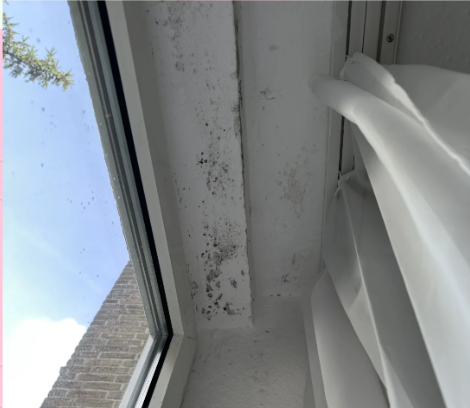
Every winter, many families will encounter the problem of window air leakage: the cold wind by the window is biting, the indoor heating is not heating up, the window sill is condensed and moldy, and the window is whirring at night. Most users think it is just a minor problem and will spend the winter. In fact, window air leakage belongs to the failure of the door and window system, which not only affects the comfort of living, but also brings multiple hidden dangers.
The first is that the room temperature loss is serious, and the window is the weakest position of the house insulation. Air leakage will cause the indoor heat to spill out quickly, the cold air will continue to pour back, the energy consumption of air conditioning and heating will increase significantly, and the electricity and gas costs will increase significantly. Secondly, long-term air leakage will cause the window sill wall to be damp, condensed and dripping, the wall latex paint will peel, turn black, breed mold, and damage the wall structure of home improvement.
In addition, the continuous air leakage of windows means that the doors and windows are not tightly closed, the hardware is loose, and the seal fails. After a long time, there will be chain problems such as sash sagging, lax closing, loose glass, and poor sound insulation. This article explains step by step from the air leakage point investigation, fault cause, temporary remedy, professional maintenance, and thorough cure, allowing users to accurately solve the problem of window air leakage in winter, and one-time cure will not be repeated.
Second, the accurate self-inspection method of window air leakage, quickly find all air leakage points
Schematic diagram of window air leakage investigation points (corners, hinges, lock points, walls)
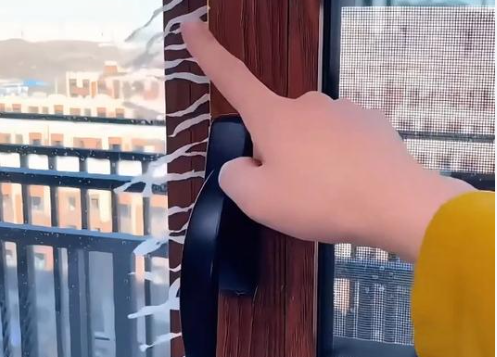
If you want to fix the air leakage, the first step is not to directly stick tape, but to accurately locate the source of the air leakage. 90% of household air leakage is concentrated in five fixed locations, and ordinary people can check themselves at home in 3 minutes.
First, the four sides of the window sash leak air. After closing the window, get close to the window with your hands to feel whether there is continuous cold air penetration, mostly caused by the aging of the rubber strip and lax closure.
Second, the hinge and hinge positions leak air. The hinge gap on the side of the casement window is the largest. After the rubber strip is broken and the hardware is loose, cold air will continue to pour in from the side, which is the most common air leakage point.
Third, the lock point and handle position leak air. The window lock point is not in place, and the window sash is not pressed against the window frame, forming a small gap. The wind leakage is most obvious in windy weather in winter.
Fourth, the seam between the window frame and the wall leaks air. It belongs to the installation level problem. The styrofoam shrinks, the weathering glue on the outer wall cracks, and the wind enters from the gap in the wall, which belongs to deep air leakage.
Fifth, the glass bead and diagonal gap leak air. The glass glue is aging, the bead is loose, the four-corner splicing gap is cracked, and cold air penetrates into the room from the glass position.
Simple professional investigation skills: close the doors and windows at night, turn off the lights, and scan slowly around the window with a mobile phone flashlight. The light transmission position is the air leakage position, which is accurate and efficient, and will not miss any gaps.
Third, the analysis of the core causes of window air leakage, distinguishing between minor faults and structural faults
Comparison chart of aging rubber strip, loose hardware, and wall gap defects
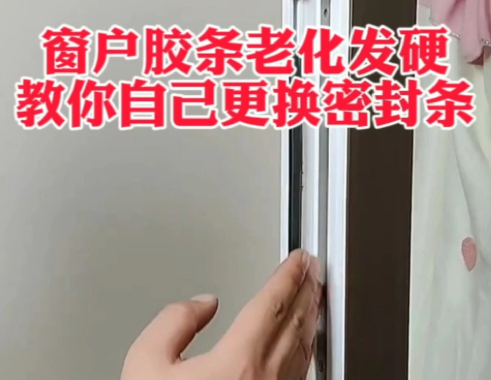
Winter window air leakage is not a single problem, divided into four categories: aging consumables, hardware failure, installation defects, and profile deformation. Different reasons correspond to different maintenance plans to avoid blind maintenance and ineffective rework.
First, the sealing strip is aging and failing (accounting for 60% of the air leakage problem). The service life of the window sealing strip is generally 5-8 years. After perennial summer exposure and low temperature shrinkage in winter, it will harden, crack, shrink, and lose elasticity. It cannot closely fit the window sash, forming a continuous gap. The greater the temperature difference between hot and cold, the more obvious the air leakage.
Second, the hardware accessories are worn and loose. Casement window handles, lock points, and hinges are worn for a long time, and the locking pressure is insufficient, so the window sash cannot be pressed; the sliding window pulley sinks and deviates, the window sash is misplaced and closed loosely, and the gap becomes large and leaks air.
Third, the installation layer is foamed and the seal is cracked. During the decoration of the new house, the gap between the window frame and the wall is not full of foam, the later foam shrinkage, and the external wall waterproof glue ages and falls off, forming an invisible ventilation channel. This kind of air leakage cannot be solved by ordinary stickers.
Fourth, the sash profile is deformed and sagging. Plastic steel windows are easy to sag and deform after being used for many years, and aluminum alloy windows are misplaced under long-term force, resulting in lax window closing, diagonal warping, uneven gap size, and strong wind in windy weather.
Fifth, the insulating glass seal fails. The thermal insulation performance of the glass decreases after fogging, water ingress, and degumming, and the gap by the window penetrates cold air, which is continuous air leakage and cold.
IV. Temporary emergency treatment methods, quick wind suppression (suitable for emergency remediation in winter)
Window sealing strip, windproof tape installation real picture
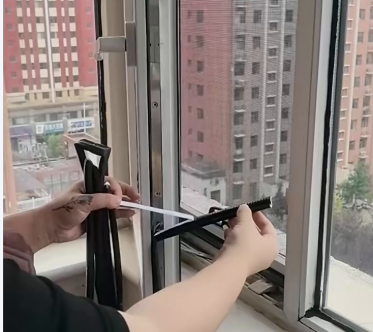
In winter, the temperature is low and the construction is inconvenient. For minor air leaks, a safety emergency remedy plan can be adopted to quickly stop the cold wind and increase the indoor temperature, which is suitable for short-term transition.
First, paste the special windproof sealing strip for doors and windows. Select EPDM thickened sealing strip and foam sealing strip, paste it in the gap of the window sash, fill the subtle gap, windproof, dustproof, noise reduction, the most cost-effective and the easiest operation.
Second, the window gap sealant is blocked. For the diagonal of the window sill and the subtle cracks in the glass bead, a neutral weathering sealant is applied to seal the small air leakage points after curing to prevent the penetration of cold air.
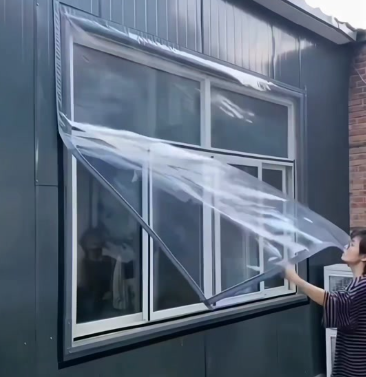
Third, the window gap windproof film is closed. Large gaps and old windows can be pasted with transparent winter windproof thermal insulation film, which closes the window surface as a whole to reduce air convection and has obvious thermal insulation effect. It is suitable for emergency use in old houses and rental houses.
Fourth, block the drain hole and return the air. Some window drain holes have no windshield cover. In winter, cold air flows backwards from the drain hole, and a drain hole windshield plug is installed to solve the problem of return air leakage.
Note: The emergency method is only suitable for slight aging, slight gaps, profile deformation, wall gap air leakage, temporary pasting to treat the symptoms but not the root cause, and there will still be air leakage in the coming year.
Professional intermediate maintenance plan to root out air leakage faults of rubber strips and hardware
Replace the door and window sealing strip, debug the lock point construction map
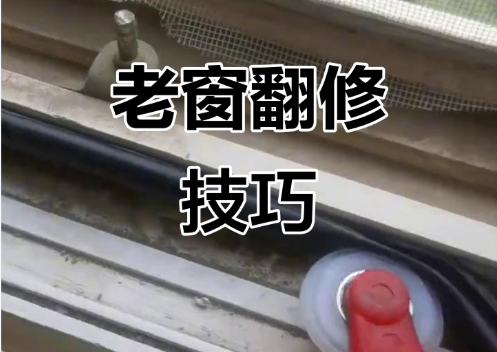
If you want to completely solve the air leakage of most household windows, you don't need to change the window, but replace the sealing system + debug the hardware to cure it. It is the most cost-effective professional maintenance method.
First, replace the high-quality EPDM EPDM sealing strip throughout the house. Remove the old aging and hardening rubber strip, use automotive-grade high-elasticity sealing strip, resist low temperature, no shrinkage, no cracking, multiple compression seals, no gaps after closure, and solve the air leakage around the window sash from the root.
Second, hardware lock point debugging and replacement. Professional masters re-adjust the hinge tightness, lock point bite depth, and window sash flatness to make the window sash completely press the window frame; seriously worn handles, lock points, and hinges are directly replaced with new accessories to restore the original closing pressure.
Third, correct the sagging sash. In view of the sagging and closing dislocation of the plastic steel window, the horizontal degree of the sash is repaired through the correction of the hinge gasket and the fine-tuning of the hardware, and the problem of excessive air leakage in the unilateral gap is solved.
Fourth, re-glue and seal the glass. Remove the aging glass glue, re-apply the weather-resistant structural glue to the whole house, seal the gap between the glass and the bead, and prevent ventilation at the corners.
After completing the above complete set of repairs, 80% of household window air leakage problems can be cured at one time, and the thermal insulation, sound insulation, and dust-proof effects can be restored to new window standards.
Six, deep air leakage professional root cure: wall gaps, installation defects repair
Window frame wall re-foaming, exterior wall gluing waterproof construction map
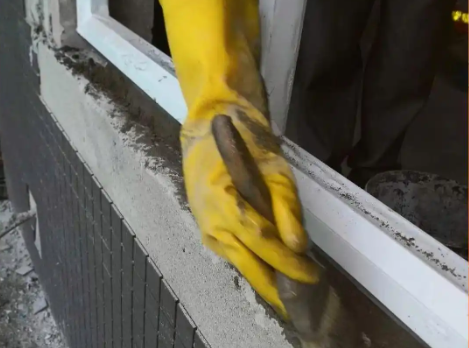
After many families have repaired the rubber strips and hardware, there is still air leakage. The core reason is air leakage between the window frame and the base layer of the wall, which belongs to the installation of hidden engineering problems and requires professional construction and repair.
The first step is to remove the aging cracking exterior wall glue and interior wall sealant, and clean the gap dust and loose foam layer.
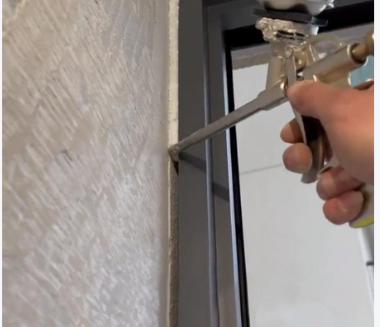
The second step is to refill the gap with high-density polyurethane foaming agent, which is fully filled, free of gaps and shrinkage, and blocks the ventilation channel of the wall.
The third step is to apply weather-resistant and waterproof sealant to the outer wall to resist high and low temperatures, resist aging, and prevent outdoor cold air and rainwater from infiltrating.
The fourth step is to close the mouth and seal the inner wall to ensure a beautiful and tight appearance and completely solve the deep air leakage of the wall.
The biggest feature of this type of air leakage: no wind and cool, the window is continuously cold, the wind cannot be heard but the temperature is obvious, and the base seal must be redone to completely solve it. Ordinary pasting seals are completely ineffective.
Seven, different window types of air leakage targeted solutions
Casement window, sliding window, plastic steel window air leakage maintenance comparison chart
Different window structures have different air leakage locations and maintenance focuses, resulting in better targeted treatment.
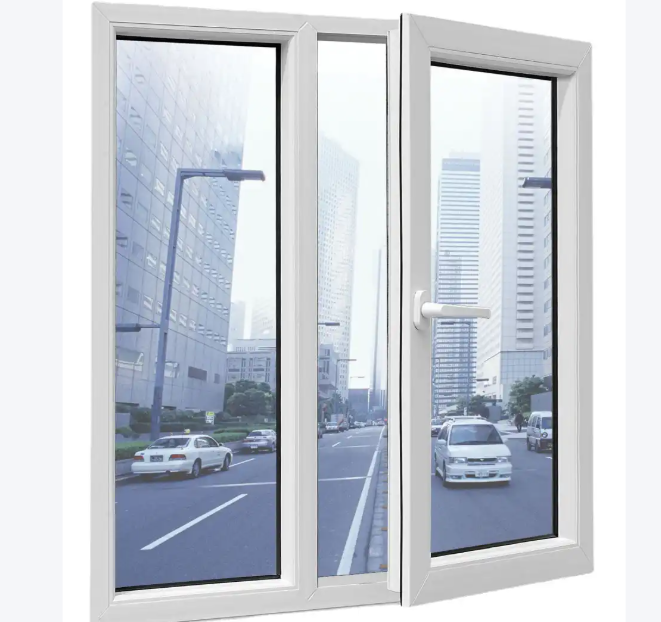
Casement window air leakage: focus on maintaining the side of the hinge, the pressing force of the lock point, and the rubber strips on all sides, fine-tune the verticality of the window sash, and solve the air leakage in the loosely closed gap.
Sliding window air leakage: focus on replacing the track dust top, adjust the height of the pulley, and correct the alignment of the window sash to solve the upper and lower gaps and track ventilation.
Plastic steel window air leakage: Priority is given to correcting sagging deformation and replacing thickened rubber strips. It is recommended to replace the entire window sash for serious deformation.
Broken bridge aluminum window air leakage: mostly because the lock point adjustment is not in place, the splicing gap of the rubber strip is large, and the fine-tuning hardware + glue can be repaired.
Do you want to change the window for air leakage? Professional judgment standard
Comparison chart of old deformed windows and high-quality system windows
Many users are torn whether to change the window directly due to air leakage. Here are professional and clear judgment criteria to avoid wasting money.
No need to change the window (maintenance can be cured): aging of the rubber strip, hardware wear, wall foam cracking, aging of glass glue, slight sagging of the window sash.
It is recommended to replace the window directly: the profile is seriously deformed and twisted, the window sash cannot be closed, the profile is aging and brittle, the multi-cavity structure fails, the window is tilted as a whole, and a large area of water seepage and air leakage.
For normal household windows, there is basically no need to replace the window within 10 years of use. A full set of sealing maintenance can restore the thermal insulation performance, and the cost performance is much higher than that of replacing the new window.
Nine, winter window insulation efficiency skills to improve room temperature and reduce energy consumption
Window insulation film, curtain windproof real picture
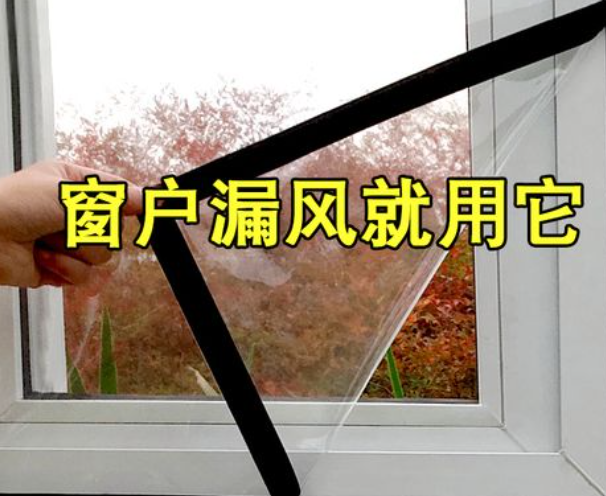
After repairing the air leakage, with thermal insulation skills, the room temperature can be increased by 3-5 ° C in winter, and the warm effect can be doubled.
1. Install thickened blackout and thermal insulation curtains to block the convection of cold air by the window;
2. Paste the window insulation film to form an air insulation layer to reduce heat loss.
3. The window sill gap is blocked to avoid air circulation cooling.
4. Regularly clean the drainage holes to prevent water condensation and cold wind from pouring back.
Full text summary
Window repair completed windproof insulation panoramic renderings
Winter window air leakage is the most common door and window failure in family winter. It is mainly caused by the aging of sealing strips, loose hardware, wall foam cracking, and window sash deformation. It is not impossible to cure. Slight air leakage can be temporarily emergency through sealing strips and sealants; moderate air leakage can be completely solved by replacing a full set of rubber strips and debugging hardware; air leakage in deep wall gaps needs to be redone for foaming and external wall sealing.
Most air leaks do not require replacement of windows. Accurately finding the air leakage point and symptomatic maintenance can completely solve the problems of cold air by the window, low room temperature, mildew condensation, and loud noise. In winter, doing a good job of windproof sealing maintenance of windows in advance can not only improve home comfort, but also effectively reduce heating energy consumption and protect wall home improvement. It is a cost-effective home maintenance project.