

Sun room insulation film
Sun room thermal insulation film | Principle classification, parameter selection, construction standards, pit avoidance maintenance strategy
Introduction to the basics of sun room thermal insulation film: Why professional thermal insulation film must be pasted
Sun room high temperature exposure sultry real scene comparison chart
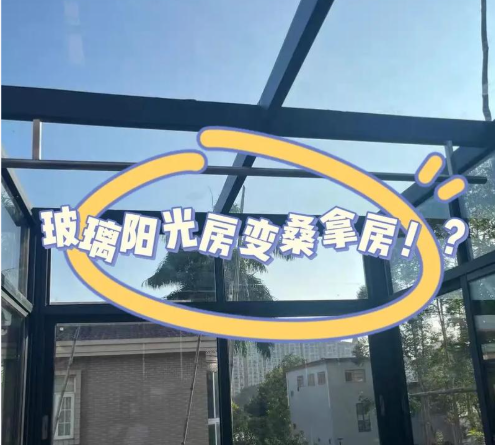
As the mainstream expansion space of villas and self-built houses, sun rooms have transparent lighting and high appearance, but there are common problems such as high temperature exposure in summer, indoor stuffy steamers, furniture fading, and glass heat accumulation. When ordinary sun rooms do not have any thermal insulation protection, the indoor temperature in summer is 5-10 ° C higher than that outside, and it cannot be used normally at all.
Sunroom thermal insulation film is a spectral selective thermal insulation protective film specially developed for top and facade tempered glass, which is different from ordinary plastic film and household sticker, and belongs to building functional energy-saving materials. Through optical coating, nano material, and metal magnetic control technology, it precisely blocks solar radiant heat, ultraviolet rays, and strong light glare. It solves the problem of summer exposure and muggy heat in the sun room without blocking the light and destroying the appearance. It is currently the most cost-effective, simplest construction, and does not take up space.
Many owners rely on sunshades, sunshade nets, and canopy cooling. Although they have certain effects, they will block daylight, accumulate dust and are difficult to clean, and age and damage quickly. The professional sun room insulation film is attached to the inside of the glass, which is durable for many years after one construction. It has five core functions of heat insulation and cooling, UV protection, explosion-proof safety, eye protection and anti-glare, and furniture protection. It is a necessary supporting protection process for modern high-end sun rooms.
Second, the sun room sultry core principle, understand the thermal insulation film cooling logic
Schematic diagram of heat conduction through glass in a sun room
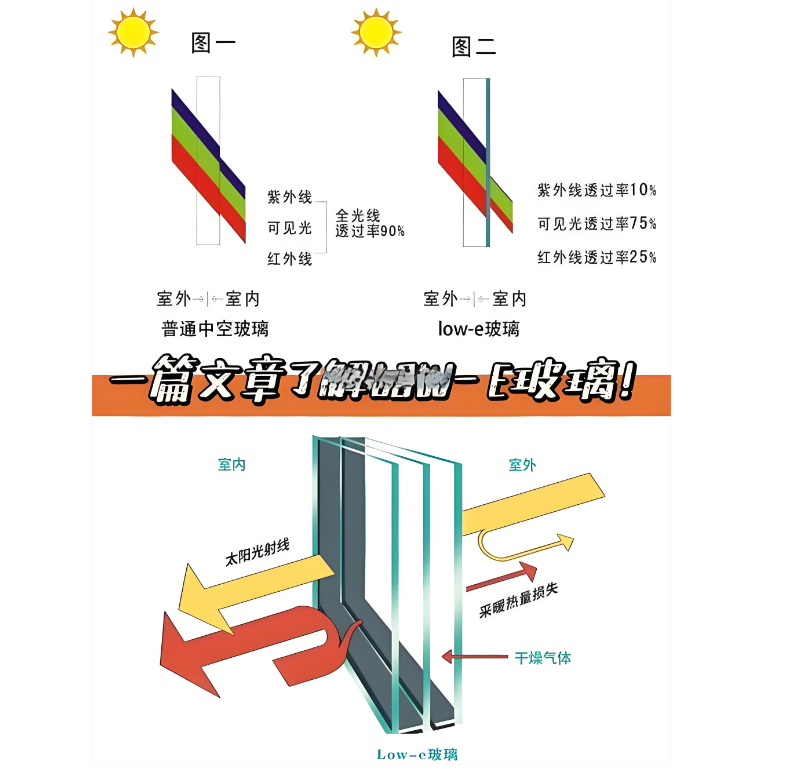
If you want to choose the right thermal insulation film, you must first understand why a sun room is hotter than an ordinary room. The heat source of a sun room is divided into three parts: ultraviolet light, visible light, and infrared radiant heat. Among them, infrared light accounts for more than 50% of solar heat, which is the main culprit of high temperature and muggy heat.
Ordinary insulating glass and tempered glass can only play a basic windshield role, unable to block solar radiation heat. After direct sunlight shines on the glass, heat directly penetrates into the room and is absorbed by the ground, walls, and furniture, forming a greenhouse effect. Heat accumulation cannot be dissipated, resulting in high temperatures during the day and muggy temperatures at night.
The professional working principle of the sun room heat insulation film is spectral layered barrier: through the nano-ceramic particles and magnetron metal layer inside the film layer, it reflects and absorbs infrared heat sources, blocks ultraviolet rays from penetrating, and retains soft visible light. Simply put, it is "blocking heat, blocking ultraviolet rays, and not blocking daylight", reducing heat entry from the source, completely breaking the greenhouse effect of the sun room, and achieving natural cooling.
Three, the sun room insulation film three mainstream material classification and performance differences
Comparison chart of material structure of magnetic control film, ceramic film and dyed film
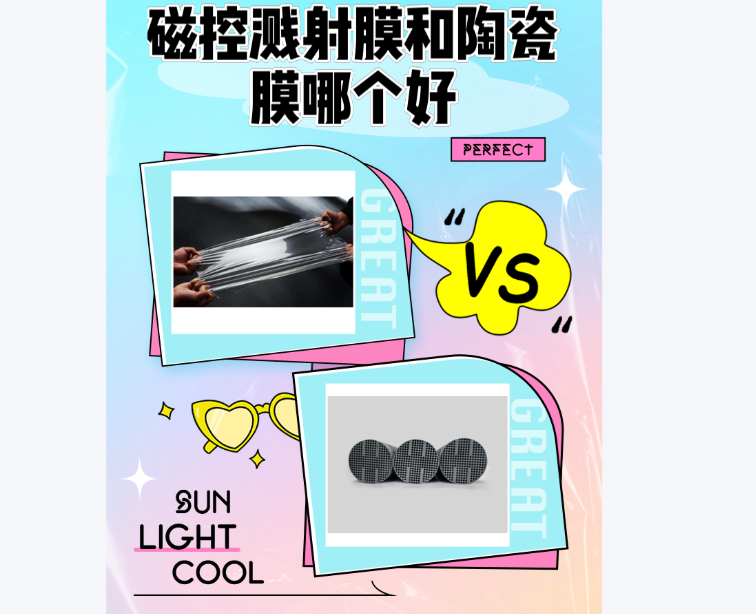
The sun room insulation film on the market is divided into three categories: inferior dyed film, nano-ceramic insulation film, and magnetron sputtering insulation film. The materials are different, and the insulation effect, service life, and price gap are very large. It is also the easiest place for owners to step on the pit.
First, ordinary dyed heat insulation film (low-end model). Adopt pigment dipping process, rely on dark shading to achieve false heat insulation, no functional coating. The disadvantages are very obvious: extremely low heat insulation rate, fast heat absorption, easy to fade and dim, poor light transmission, foaming, degumming, and discoloration after 1-2 years of use, and will also block mobile phone signals. It is only suitable for temporary transition. Professional sun rooms are not recommended.
Second, nano-ceramic thermal insulation film (mid-range mainstream). Using nano-ceramic optical coating, it does not contain metal components, does not shield signals, does not oxidize, does not fade, the UV blocking rate can reach 99%, the total solar blocking rate is 60% - 70%, the light transmission is soft, the field of vision is clear, the high temperature resistance is not degummed, and the cost performance is the highest. It is suitable for the construction of the top and facade of most household sun rooms.
Third, magnetron sputtering heat insulation film (high-end model). Vacuum magnetron precious metal sputtering process, multi-layer precious metal layered adhesion, the strongest thermal insulation performance, the total solar barrier rate can reach more than 80%, explosion-proof, heat insulation, weather resistance full, high light transmission, strong heat insulation, excellent anti-glare effect, suitable for high-end villas, sun rooms with severe western sun and full day sun exposure on the top floor.
Simple selection logic: choose nano-ceramic film for daily cooling at home; choose magnetic control heat insulation film for high temperature exposure and pursuit of extreme coolness; resolutely avoid dyeing dark inferior films.
Fourth, the sun room insulation film professional core parameters interpretation (purchase gold standard)
Thermal insulation film professional parameter index comparison table
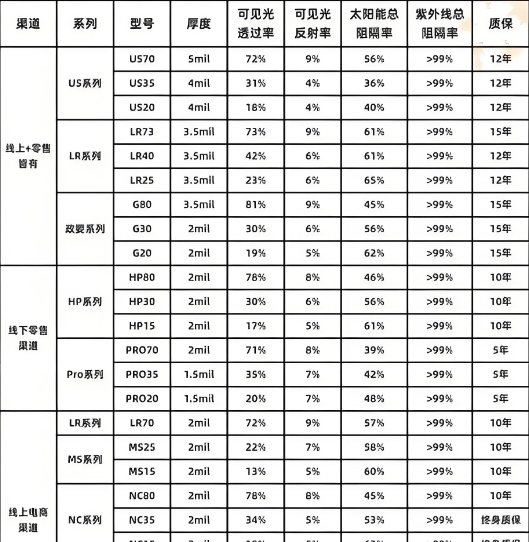
Many owners only look at the "color depth" when buying a film, which is the biggest misunderstanding. Professional thermal insulation films look at the four core parameters. If the parameters meet the standards, it is true thermal insulation.
First, TSER total solar energy barrier rate (core index). Represents the true overall thermal insulation capacity, the higher the value, the cooler. ≥65% is recommended for household sun rooms, and ≥75% is recommended for high-temperature rooftops. This is the only standard for measuring thermal insulation effect, which is more accurate than a single infrared barrier rate.
Second, VLT visible light transmittance. To determine the indoor brightness, high-transparency heat insulation film is preferred in the sun room, with a light transmittance of 40% -70%, so that it is bright but not sun-exposed, and the lighting is transparent, so as to avoid dark and depressing.
Third, UV UV blocking rate. High-quality film ≥99%, can completely block ultraviolet rays, prevent wood floors, sofas, curtains, furniture aging and fading, and protect interior decoration.
Fourth, the shielding coefficient SC. The lower the value, the better the heat insulation. The SC value of the high-quality sun room film is controlled between 0.2 and 0.4, and the temperature control effect is excellent.
At the same time, the top glass is recommended to be thickened with 5mil to prevent explosion, taking into account heat insulation and glass self-explosion protection, which is safer.
Fifth, the core advantages of the sun room heat insulation film are more practical than sunshades and canopies
Comparison of sun room film and canopy shading effect
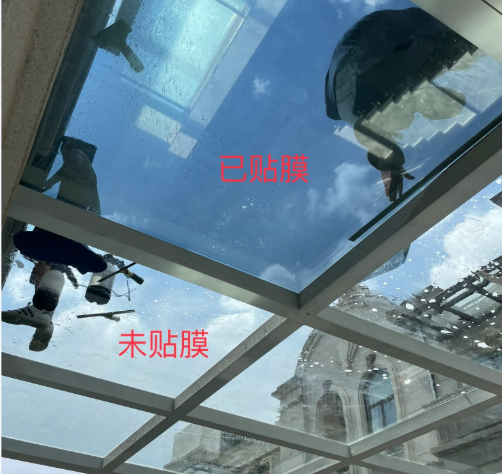
At present, there are four main ways to cool the sun room: canopy shading, indoor canopy curtain, spraying heat insulation, and sticking heat insulation film. The comprehensive advantages of heat insulation film are the most prominent.
First, the cooling effect is stable. It can achieve indoor cooling of 5-8 ° C in summer, reduce the frequency of air conditioning, save electricity bills for a long time, and alleviate the problem of steamers in sun rooms.
Second, retain panoramic lighting. Unlike sunshade products, which completely block light, the thermal insulation film has soft light transmission, and the interior is bright and not depressed during the day, retaining the transparent appearance of the sun room.
Third, explosion-proof safety protection. The film layer is bonded to the glass, and when the glass accidentally self-explodes or falls from a high altitude, it can firmly absorb debris, prevent the glass from splashing and hurting people, and improve the safety factor of the sun room.
Fourth, eliminate furniture aging. 99% UV blocking, completely solve the problem of furniture fading, wall aging, floor cracking.
Fifth, do not take up space, zero maintenance. Attach the inside of the glass, do not block the view, no dust, no need for frequent cleaning, a construction quality assurance 5 - 10 years.
Sixth, sound insulation eye protection and anti-glare. Filter direct light to reduce glare in summer, and the indoor light is soft and comfortable.
Standardized construction process of heat insulation film in sun room
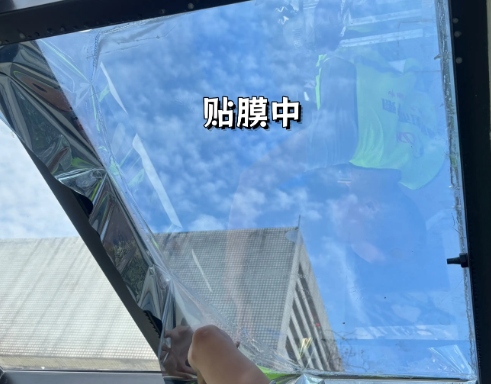
Construction details of glass cleaning, film and drainage in the sun room
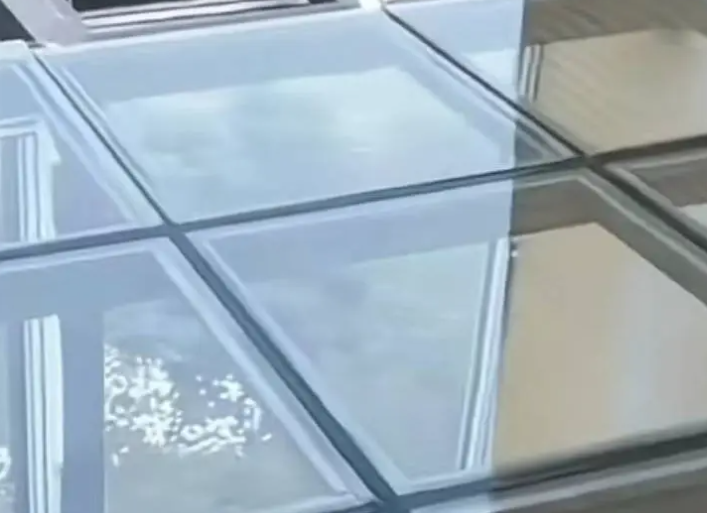
Three-point film and seven-point paste. No matter how good the thermal insulation film is, there will be problems of blistering, wrinkling, degumming and dust retention if the construction is not standard. Professional sun room film follows eight standard processes:
Step 1: Deep cleaning of glass. Special glass water, glue removal shovel, dust-free scraper, completely remove dust, glue stains, scale and impurities on the glass surface to ensure a dust-free construction environment.
Step 2: Fine size cutting. Accurately cut the film according to the size of the top and facade glass, and reserve precise gaps in the corners to avoid thermal expansion and contraction.
Step 3: Professional water spray moisturizing film. Spray the special installation liquid evenly to avoid dry sticking leaving bubbles and sticking dust.
Step 4: Precise alignment and bonding. Artificial fine alignment, flat bonding of the glass surface, to prevent deviation and wrinkles.
Step 5: Layered drainage to rush pressure. Use a special scraper to drain water at a uniform speed from top to bottom and from the middle to the surrounding area to completely discharge water vapor and air without bubbles or watermarks.
Step 6: Corner edge banding treatment. Fine compaction edge banding on the four sides and corners of the glass to prevent edge warping, water ingress and degumming in the later stage.
Step 7: Detail trimming and cleaning. Cut off excess edge material and clean up residual moisture and stains on the window edge.
Step 8: Finished product maintenance acceptance. After completion, check the whole house for no bubbles, no folds, no dust points, and uniform light transmission, and inform the later maintenance taboos.
Professional construction is different from the roadside simple film, so that no foaming, no wrinkles, no degumming, high definition light transmission, long-term durability.
Seven, top and facade glass differentiated film professional solution
Differentiated film renderings on the facade of the sun roof
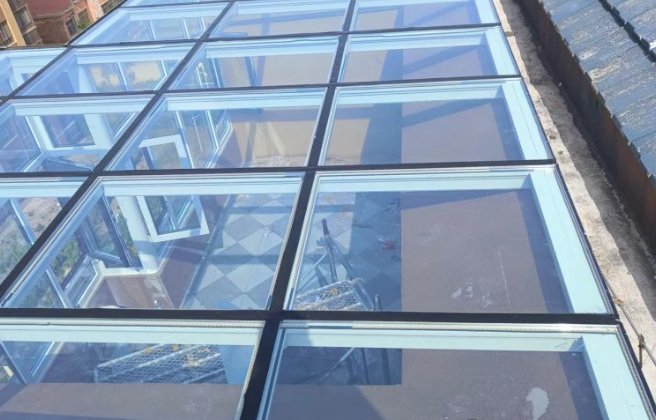
The sun roof glass and the facade glass have different exposure angles and heating degrees, so they must be selected differently, and the same film cannot be pasted uniformly.
Sun room top glass: face the sun all day, maximum heat, glass easy to accumulate temperature, it is recommended to use high heat insulation thickened ceramic film/magnetron film, barrier rate of more than 70%, 5mil thickened explosion-proof material, priority to ensure core cooling, taking into account glass safety protection.
Sun room facade glass: side oblique sun, high light demand, high-transparency heat insulation film, higher light transmittance, ensure indoor lighting and transparency, take into account heat insulation and sun protection, to avoid the whole house dark and depressing.
West sun room: In the afternoon, the sun exposure is serious and the temperature difference is large. The whole house is upgraded with a high heat insulation magnetic control film to effectively block the heat source of the west sun and prevent the sultry in the evening.
Eight, sun room insulation film purchase common misunderstandings and pit avoidance guide
Inferior film foaming degumming, light transmission dim defect map
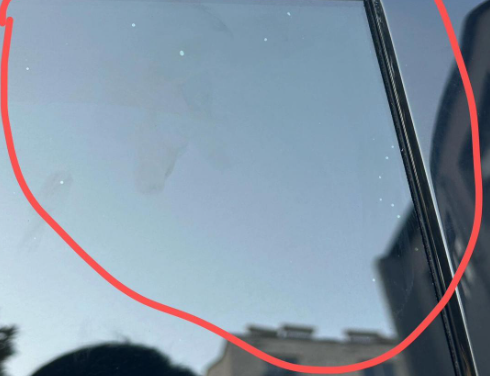
The price of thermal insulation film in the market varies widely, with a huge gap from a few dollars per square meter to dozens of dollars per square meter. The focus is on avoiding eight major industry routines.
First, I mistakenly think that the darker the color, the more heat insulation. Dark colors are only for shading, and the real heat insulation depends on optical coatings. Many dark films are shaded without heat insulation, and the room is still stuffy.
Second, confuse the infrared barrier rate with the total solar barrier rate. A single infrared data imaginary height, the real heat insulation to see the total TSER barrier rate.
Third, low-cost dyed films pretend to be ceramic films and magnetron films, which look good in the short term and foam and fade in half a year.
Fourth, ignoring the explosion-proof thickness, the top glass is not thickened, and there is a potential safety hazard of self-explosion.
Fifth, construction cutting corners, do not do dust-free cleaning, and later full of dust spots and bubbles.
Sixth, do not do edge banding treatment, water enters the corners, and the edge is degummed and scrapped within 1 year.
Seventh, promise lifelong quality assurance, no formal contract, no after-sales service in the later stage.
Eighth, the whole house has a unified film, with insufficient heat insulation on the top surface and poor lighting on the facade.
Professional selection: no signal shielding, high transparency and high insulation, with regular parameter reports, can be written into the quality assurance contract of the brand functional film.
Nine, the sun room insulation film post-maintenance method to extend the service life
Schematic diagram of daily cleaning and maintenance with sun room film
The normal service life of regular high-quality thermal insulation film can reach 8-10 years, and correct maintenance can greatly extend the service life.
1. The curing period is 3-7 days after the film is completed. It is forbidden to wipe, touch or squeeze the glass, let the water vapor dry naturally, and the film layer is completely bonded.
2. Use soft towels, water, and neutral glass water to wipe for daily cleaning. Steel balls, hard scrapers, and acid and alkali cleaners are prohibited.
3. Prohibit vigorously tearing corners or hard objects from hitting the membrane surface.
4. It is found that slight small blisters are normal water vapor and will dry naturally; contact the master for door-to-door treatment of large-scale bubbles in time.
5. Avoid long-term water accumulation and moisture by the window, keep it dry, and prevent the corners from being degummed by moisture.
Full text summary
Panoramic renderings of high-end sun room film completion
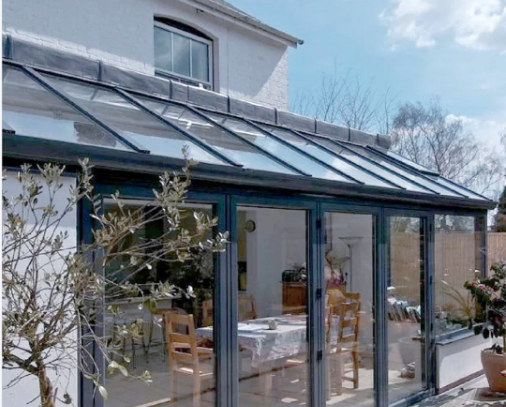
Sunshine room thermal insulation film is the most economical, most efficient and most beautiful professional solution to solve the hot summer, bright light, aging furniture, and hidden dangers of glass in the sun room. Unlike traditional sunshade products, which are oppressive and take up space, high-quality nano-ceramics and magnetic control thermal insulation films rely on the principle of optical barrier to achieve multiple effects of strong cooling, UV protection, explosion-proof protection, eye protection and anti-glare while retaining panoramic lighting.
When purchasing sun room thermal insulation film, the core does not depend on the color depth, but focuses on the TSER total solar barrier rate, light transmittance, explosion-proof thickness, and material process; the construction follows the standardized process of dust-free cleaning, precise fitting, and compaction and edge sealing, and the top facade is differentiated in material selection to avoid the trap of low-cost dyeing film and false standard parameters.
A professional film construction can achieve constant temperature and comfort in all seasons, completely bid farewell to the summer steamer problem of the sun room, and make the sun room truly a leisure space available throughout the year, while protecting home decoration, reducing energy consumption, and improving the quality and appearance of the house.