

Screen cleaning
Screen cleaning guide | Professional cleaning methods, pit avoidance skills and long-term maintenance guide for screens of different materials
[The real scene of clean and transparent household screens, compare the ash and oil screens, and show the effect before and after cleaning]
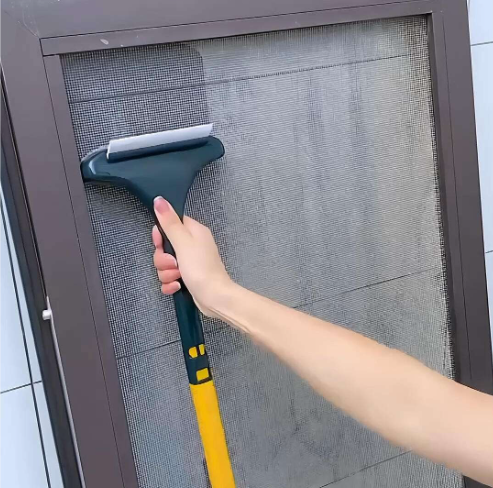
Screen windows are the core barrier for home ventilation and mosquitoes. Long-term exposure to the outdoors can easily accumulate dust, catkins, pollen, soot, mold and other dirt. Many owners only use water rinsing and brute force scrubbing to clean screen windows. It looks clean, but in fact it is easy to cause screen deformation, silk loss, rust, and fading, shortening the service life of the screen window.
Screen windows of different materials and structures have completely different cleaning standards and cleaning methods. The tolerance of diamond mesh, high-transparency mesh, glass fiber mesh, folding screen windows, and roller shutter screens varies greatly. Wrong cleaning operations are the main incentives for loose screen windows, leaking mosquitoes, damaged mesh surfaces, and hardware cards. This paper combines screen material characteristics, professional cleaning processes, whole house scene cleaning programs, taboo misunderstandings, and long-term maintenance skills to create a professional, floor-to-ceiling screen cleaning guide
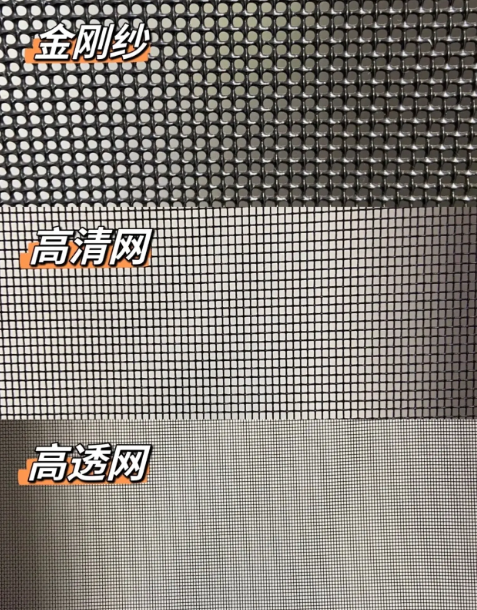
[Material classification map | Comparison of physical materials of diamond mesh, high-transparency mesh, glass fiber mesh, folding screen window and roller shutter screen window]
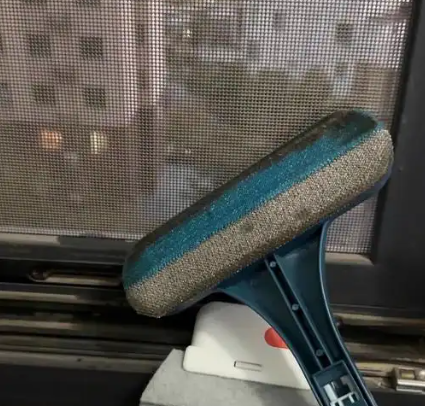
First, the material characteristics of mainstream screens, core attributes that must be understood before cleaning
The premise of all screen window cleaning is to distinguish the materials and prescribe the right medicine. There is no universal cleaning method, and blind and unified cleaning will directly damage the screen window structure.
Diamond mesh window (304/316 stainless steel): high hardness, impact resistance, corrosion resistance, is the mainstream household material, withstand mild water washing, soft brush wiping, can be deeply cleaned, but the mesh gap is easy to accumulate dust, strong corrosion detergent is strictly prohibited.
High-permeability mesh window (PET polyester): The mesh is fine, transparent and invisible, with high value and strong ventilation, but the material is weak in toughness, not resistant to brute force brushing, high-pressure water impact, and easy to fluff, deform, and loose.
Glass fiber screen window: old-fashioned household screen window, low cost, brittle texture, poor anti-aging and anti-friction ability, strong acid and alkali, vigorous wiping will brittle and crack, and the cleaning fault tolerance rate is extremely low.
Folding/organ-type screen window: multi-fold structure, many gaps, serious dirt, the core difficulty is to clean the dead ends of folds, and built-in damping and hinge hardware, do not soak in water for a long time.
Roller shutter screen window: with its own spring reel, track structure, and many internal precision accessories. It is forbidden to disassemble and soak as a whole. Washing with water can easily lead to spring rust and rebound failure.
Only by grasping the material characteristics can we avoid cleaning damage and maintain the structural stability and performance of the screen window to the greatest extent while cleaning and decontaminating.
[Schematic diagram of basic tools | Soft-bristled brush, microfiber rag, neutral cleaner, vacuum cleaner, water watering can, sponge]

Second, professional cleaning tools and safe cleaning ratio, refuse to damage the screen
Professional screen cleaning does not rely on brute force, and the core relies on compliance tools and mild cleaning solutions. No professional equipment is required for household use, and low-cost tools can achieve deep cleaning results.
Necessary safety tools: soft-bristled dust removal brush, non-marking sponge, microfiber rag, hand-held vacuum cleaner (brush suction head), low-pressure watering can, dry absorbent towel, steel ball, hard plastic brush, high-pressure water gun, scraper are strictly prohibited.
Standard cleaning solution ratio (universal in the whole house, without hurting the screen window): daily floating ash cleaning can use water; moderate dust and pollen, warm water + a small amount of neutral detergent ratio; severe oil fume, mold stains, use warm water + white vinegar + baking soda preparation, natural decontamination, no corrosion.
Industry taboo cleaners: resolutely eliminate 84 disinfectant, bleach, oxalic acid, strong acid and alkali stain remover. This kind of reagent will corrode the diamond mesh coating, aluminum oxide profile frame, accelerate the aging and yellowing of the PET high-permeability mesh, and damage the glass fiber mesh structure. It looks clean in the short term, and there will be rust, brittle cracking, and fading problems in 1-3 months.
[Dry pre-cleaning step diagram | Vacuum cleaner with soft brush to clean floating ash and gap impurities on the surface of the screen window]
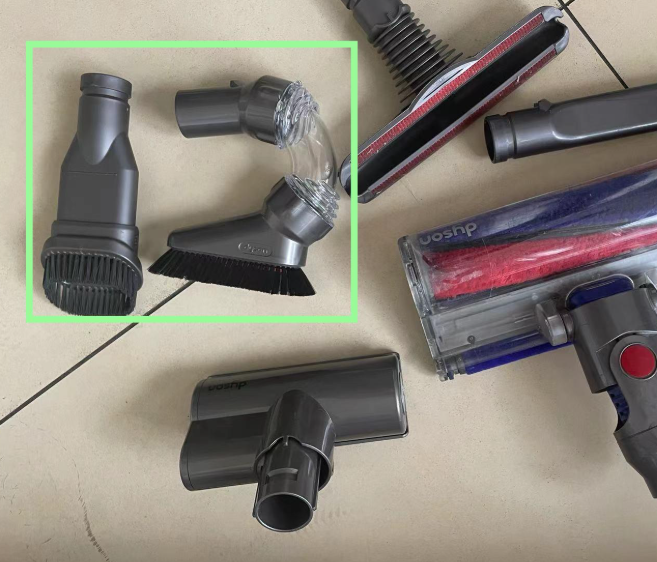
Third, the first step of standardized cleaning: dry dust removal to prevent dirt blockage
90% of people cleaning screens have misunderstandings: direct wet washing. Dry dust will mix with water into mud, blocking the mesh gap, not only the more you wash, but also the dirt will adhere firmly to the mesh, repeatedly wiping the damaged gauze.
Professional standard cleaning process, must first dry clean, then wet wash: first close the screen, with a hand-held vacuum cleaner soft brush head, from top to bottom, uniform speed slowly adsorption screen on both sides of floating ash, catkins, fine sand; corners, track, hardware gaps, with a soft brush to gently sweep out the deposited dirt; folding screen focus on cleaning the dead ends of folds, roller screen to clean up the upper and lower track dust.
The core function of dry dust removal is to completely remove loose impurities, avoid dirt blocking the net after wet washing, and protect the screen mesh wire to reduce the friction damage caused by subsequent wet wiping. It is a basic step for long-term cleaning.
[Wet cleaning practice map by material | Targeted wiping and cleaning of diamond mesh, high-transparency mesh, and glass fiber mesh]
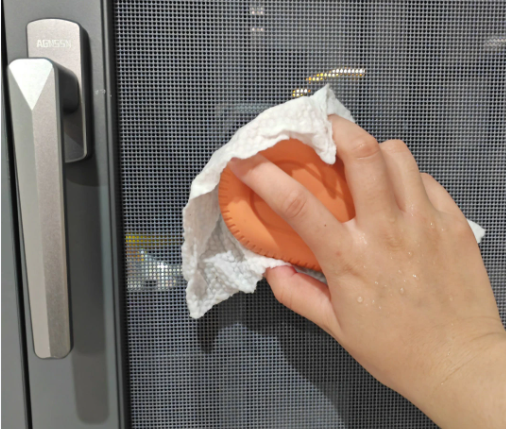
Fourth, the material depth wet cleaning process, accurate decontamination does not hurt the screen window
After dry dust removal, according to different screen materials, an exclusive wet cleaning solution is adopted to accurately solve dust, oil fume and mold stains.
Deep cleaning of diamond mesh window: put the prepared neutral cleaning solution into a watering can, evenly spray the front and back sides of the screen window, and let it stand for 3-5 minutes to soften stubborn stains; gently wipe it vertically with a non-marking sponge along the mesh to prevent the misalignment of the mesh caused by horizontal rubbing; wipe and decontaminate the aluminum profile of the frame synchronously, and finally rinse it off with a low-pressure spray of water without foam residue.
Gently clean the high-permeability mesh screen window: the high-permeability mesh is fine and fragile, and it is forbidden to spray and wash or wipe vigorously. Dip a microfiber rag in diluted cleaning water, gently press and wipe the mesh surface, and clean the stains line by line; wipe the stubborn oil smoke spot with a cotton swab, and wipe the residue with a clean wet rag for the second time after cleaning as a whole. Avoid pulling and pressing the mesh surface throughout the process to prevent loose deformation.
Gentle cleaning of glass fiber screens: only can be wiped with water + a very small amount of neutral detergent, it is forbidden to soak and brush to avoid brittle mesh. Quickly dry the water after cleaning to prevent moisture and aging.
Folding, roller shutter screen window local cleaning: only clean the exposed mesh surface, it is strictly forbidden to soak in water as a whole. Wipe the mesh surface with a rag dipped in cleaning water, sweep the wrinkle gaps with a soft brush to remove dust, and wipe the track hardware with a dry cloth to prevent moisture from penetrating into the internal accessories, resulting in card, rust and rebound failure.
[Detailed cleaning of dead corners | Cleaning treatment of screen window track, corner gaps, and frame card slot]
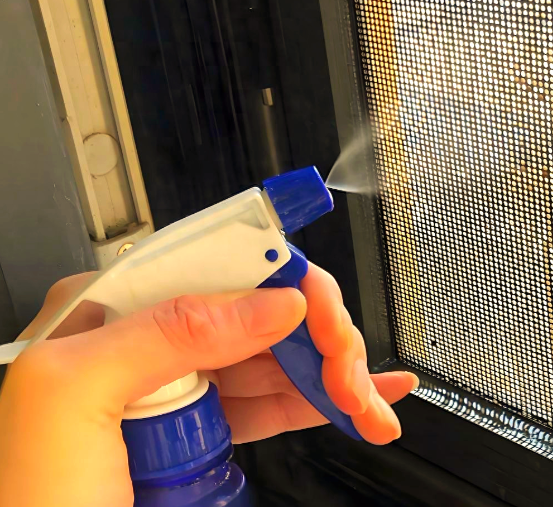
Five, the whole house dead corner special project cleaning, solve the common problem of dirt
Screen cleaning goes beyond washing the mesh surface. Tracks, borders, and splicing gaps are the hardest hit areas for dust and mold, as well as the main location for household mosquitoes to hide and bacteria to breed. Professional cleaning must be fully covered.
Screen window track: long-term accumulation of sediment, hair, debris, ordinary wiping cannot be cleaned. First use a brush to sweep out large impurities, and then use a vacuum cleaner to absorb fine ash; where there is stubborn dirt, wipe it with a cotton swab dipped in cleaning water, and dry the water after cleaning to avoid rust and mildew in the track water.
Frame and splicing gap: The aluminum profile frame is exposed for a long time, which is easy to accumulate oxidized stains and dust. Wipe it clean with a microfiber rag; the four corners of the screen are spliced with gaps and rubber strips, focusing on cleaning up residual dirt to prevent dirt from accumulating and corroding the sealing strip. Avoid air leakage and mosquitoes in the later stage.
Kitchen screen special project treatment: kitchen screen smoke thick, can increase the proportion of baking soda, soften the grease after local wiping, prohibit large-scale soaking, prevent oil sewage infiltration into the frame hardware, causing corrosion of accessories.
[Schematic diagram of standardized drying | Screen window vertical shade drying, flat to dry, correct water control method]
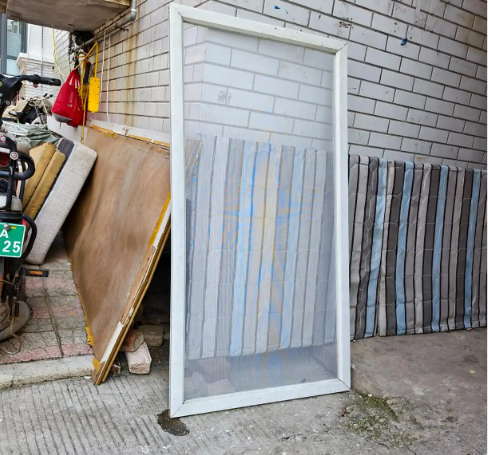
Standardized drying process to prevent mildew deformation and hardware damage
The drying step after cleaning directly determines the service life of the screen window. Wrong drying can lead to slack of the mesh surface, deformation of the frame, and rust of the hardware.
Core drying principles: dry and ventilated in the shade, no sun exposure, and no high temperature drying. After all screens are cleaned, use a dry absorbent towel to gently absorb the residual moisture on the surface; the removable screens can be placed vertically in a ventilated and cool place to dry naturally to prevent direct sunlight exposure. High temperature will accelerate the aging and yellowing of the mesh surface and the hardening and cracking of the rubber strip.
Non-removable screen window: open the window for ventilation and dry naturally, dry the track and frame with a dry cloth, focus on drying the hardware positions such as hinges, lock points, and scrolls to prevent water from rusting.
Special attention: it is strictly forbidden to use a hair dryer to dry with hot air, prohibit exposure to the sun, and prohibit forcibly twisting the gauze mesh to avoid deformation of the mesh wire and loosening of the structure, resulting in lax closure in the later stage and mosquito entry in the gap.
[Cleaning misunderstanding comparison chart | Correct and gentle cleaning vs high pressure rinsing, brute force brushing, chemical corrosion wrong operation]
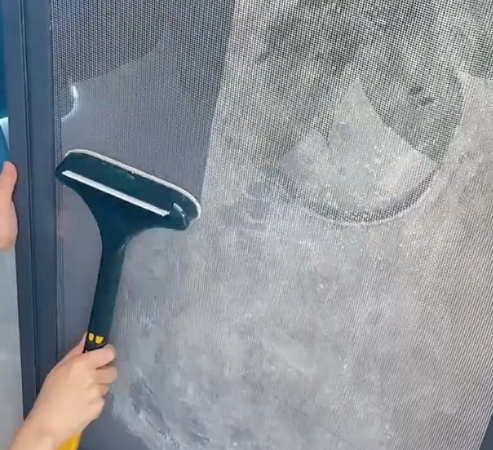
Seven, screen cleaning ten taboo misunderstandings, avoid 99% of the damage problem
Combined with years of practical experience in the door and window industry, sorting out the owners' high-frequency cleaning misunderstandings is also the core reason for the premature damage of the screens:
Prohibit high-pressure water gun flushing: high-pressure water flow will loosen the mesh, squeeze and deform, destroy the flatness of the screen window, and lead to closed mosquito leakage;
It is forbidden to use steel wire balls and hard brushes to scratch the mesh coating, causing rust and high-permeability mesh fluffing damage;
Prohibited strong acid and alkali cleaners: corrosion of aluminum frame, aging gauze, fading and whitening, irreversible damage;
Prohibit folding, roller shutter screen window soaking in water: internal damping, springs, and hardware rust in contact with water and are directly scrapped;
Do not remove dust before wet washing: dirt blocks the mesh, poor ventilation, and breeds bacteria and molds;
Prohibit sun exposure and drying: accelerate material aging and shorten the service life of the screen window for 3-5 years;
It is forbidden to pull and press the mesh surface: it will cause the gauze to relax and collapse, and the gap will increase into mosquitoes;
Prohibit residual foam dirt: long-term residual chemicals will corrode mesh wires and rubber strips;
It is forbidden to ignore track water: track water is moldy, breeding mosquitoes, and hardware rust cards;
Prohibit frequent deep immersion cleaning: damage the protective layer on the surface of the screen window and reduce weather resistance.
[Schematic diagram of daily maintenance | Regular dust removal, hardware maintenance, rubber strip inspection and daily maintenance]
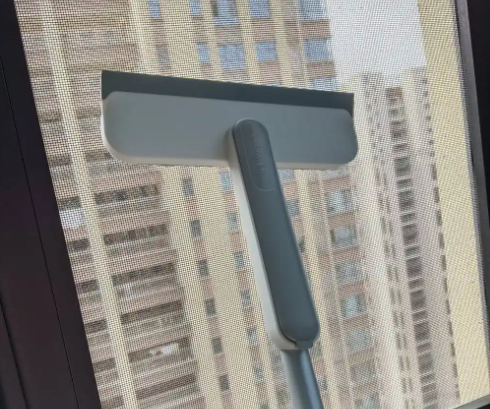
Eight, screen window long-term maintenance plan to reduce frequent cleaning and extend service life
The core of professional cleaning is not only the current decontamination, but also through daily maintenance to reduce the accumulation of dirt and keep the screen transparent and durable.
Daily dust removal: It is recommended to simply wipe the floating dust on the surface of the screen window with a dry brush and rag every week to avoid dust accumulation and solidification and reduce the frequency of deep cleaning;
Seasonal deep cleaning: in the spring catkins season, after the summer rainy season, and before winter, do a deep cleaning each to clean up pollen, mold, and dust, and keep ventilation clean;
Hardware maintenance: After each cleaning and drying, apply a small amount of dry lubricant to the hinge, lock point, and track position to prevent card rust, prohibit applying oil, and avoid dust and fouling;
Detail inspection: Regularly check whether the gauze is loose and damaged, whether the rubber strip is aging, and fine-tune and repair in time to avoid mosquitoes entering the gap;
Environmental adaptation: in coastal and humid areas, be sure to dry thoroughly after cleaning to prevent salt and moisture residues and prevent oxidation and rust of diamond mesh.
[Real scene of completion acceptance | Overall floor effect of clean and transparent screen window]
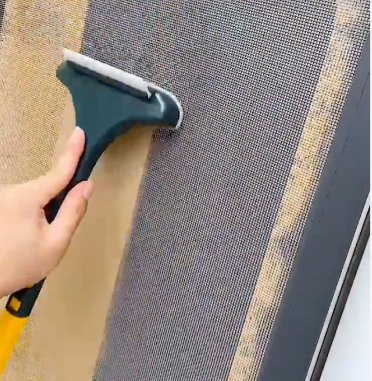
conclusion
Screen cleaning may seem simple, but it is actually a set of professional operations that combine material characteristics, standardized processes, and detailed maintenance. It is by no means a simple flushing and wiping. The tolerance and cleaning methods of screens of different materials vary widely, including dry dust removal, mild wet cleaning, dead corner cleaning, standardized drying, and scientific maintenance. Each step directly affects the permeability, sealing, and service life of the screen.
The correct cleaning method can not only completely remove dust, soot, mold, restore the effect of screen window ventilation, improve indoor air quality, but also protect the screen, profiles, hardware accessories, avoid deformation, rust, aging damage, and eliminate the after-effects of cleaning. Avoid the misunderstandings of brute force cleaning, chemical corrosion, sun exposure drying, etc., follow the professional cleaning plan of material classification, and do a good job in daily maintenance, so that the household screen window can be clean and transparent for a long time, not leaking mosquitoes, not stuck, and durable as new for ten years.