

Sunroof leaking
Professional analysis of sunroof leakage depth | causes of water leakage, investigation methods, maintenance plans and preventive measures
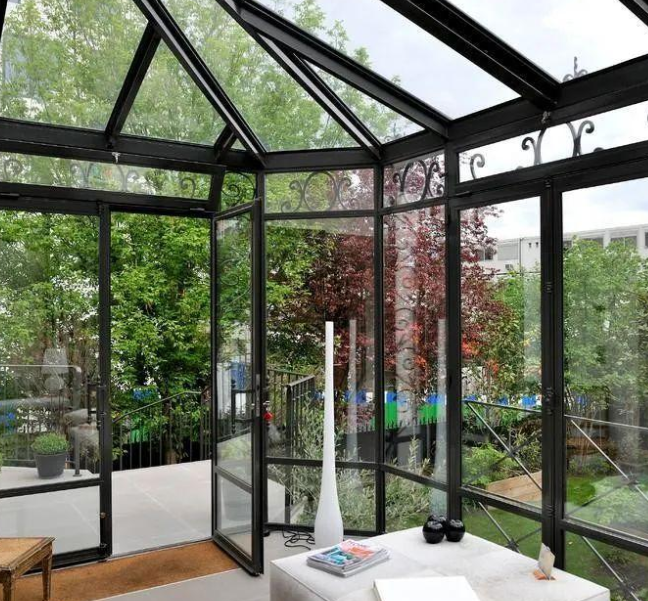
Panoramic real scene of sloping roof skylight and sun room skylight, real shot of skylight water seepage site
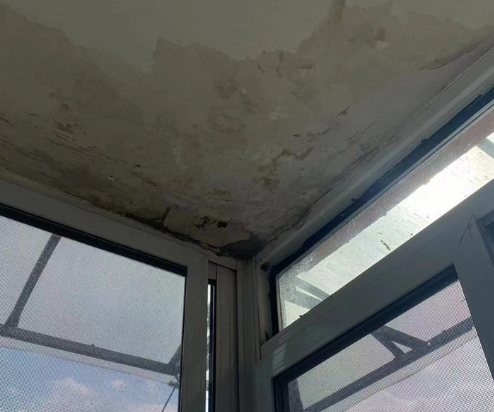
Overview of sunroof leakage: Water leakage is not a single quality problem of the sunroof itself
Many owners and engineers encounter skylight leakage, and the first reaction is that the skylight products are of poor quality. In fact, this is a common misunderstanding. Skylights include sloping roof lighting skylights, sun room skylights, roof electric smoke exhaust skylights, villa roof skylights and other categories. Skylight leakage belongs to a more complex type of disease in roof leakage. Product defects, waterproof structure failure, irregular construction, late aging, and drainage blockages may all become water leakage incentives.
The skylight belongs to the roof opening component, which breaks the original continuous waterproof layer of the roof, and the rainwater will flow along the roof to the handover gap around the skylight. There are many handover nodes and complex structures, which are the weak point of roof waterproofing. Lightly, the window seeps, the wall is moldy, the wall skin falls off, and the ceiling soaks in water; at worst, the wooden keel rotts, the circuit is short-circuited, the thermal insulation layer fails, and the sun room and attic are wet for a long time, and even cause the roof structure to rust.
The high incidence of sunroof leakage is concentrated in the rainy season and typhoon and rainstorm weather. Light rain does not leak and heavy rain leakage is the most typical feature of sunroof leakage. This article gradually explains the principle of waterproofing, water leakage classification, common water leakage points, investigation steps, maintenance process, and prevention plans, taking into account villa owners, decoration teams, and sunroof installation service providers. Understand the professional logic of sunroof leakage to avoid repeated maintenance and still water leakage.
Schematic diagram of the handover nodes around the sunroof, marking the waterproof closing position
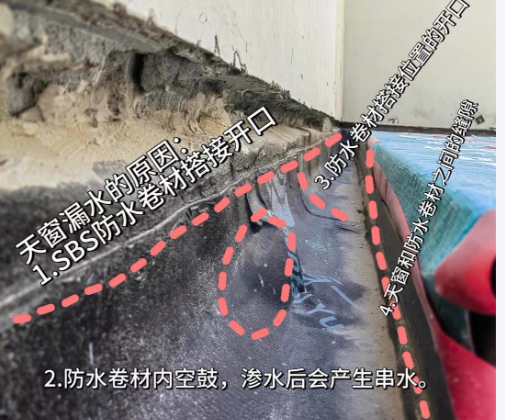
Second, the standard principle of the original waterproof system of the sunroof
If you want to understand why the water leaks, you must first understand the standard waterproof structure of the qualified sunroof. The regular finished sunroof comes with a drainage collection tank, a water retaining board, a waterproof water draping board, and a complete set of attached waterproof kits for the coil closing and pressing. The industry calls it the sunroof waterproof accessory system, which is the first line of defense against leakage of the sunroof.
The roof rainwater flows along the tiles and the roof insulation layer to the surrounding area of the sunroof. First, the water from the top is diverted outward by the water-draped board on the upper edge of the sunroof, and it will not be directly poured into the seam; the bottom of the sunroof frame has a built-in water collection tank, and the trace rainwater seeping into the frame gap will flow into the water collection tank, and then drain to the outside of the roof through the preset side drainage holes and external drainage pipes, which is the "isobaric drainage principle".
The core idea of this system is to block water first, then collect water, and finally drain water, not simply rely on sealant to seal the gap. Many low-cost skylights omit the water plate and simplify the drain tank, and only rely on glue sealing. Water seeps immediately after the glue ages and cracks, which is the most basic reduction problem. Sealant only plays an auxiliary sealing role and cannot be used as the main waterproof structure.
Disassembly diagram of the structure of the original water-draining board, drain tank and drain hole of the skylight
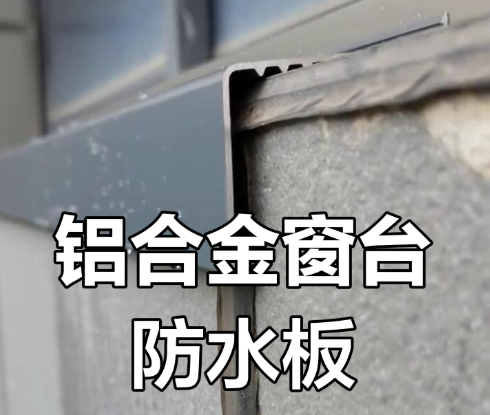
III. Classification of six core causes of skylight leakage (industry high-frequency leakage incentives)
The causes of skylight leakage can be divided into six categories. During on-site maintenance, check in this order for maximum efficiency.
The first category: the drainage system is blocked. Fallen leaves, dust, catkins, and bird droppings accumulate in the sunroof sump, drainage pipes, and drainage holes. Rainwater cannot be drained out, and the water level rises and overflows into the room from the gap in the window frame. This is the highest proportion of water leakage. Many sunroof leaks that have been in use for several years are basically blocked.
The second category: the closure of the waterproof membrane fails. The overlap position of the roof waterproof membrane and the sunroof water-draped board is disengaged, the coil is aging and cracked, the overlap width is insufficient, and rainwater invades from the overlap gap; many construction masters roll pressure, water channeling under the coil, which is often referred to as "water leakage".
The third category: sealant aging, degumming and cracking. Neutral weathering glue is a consumable, with a normal service life of 5-8 years. Long-term ultraviolet exposure, alternating heat and cold, the colloid hardens, shrinks, and cracks; inferior glass glue cracks in 1-2 years, and rainwater seeps into the glue seam.
The fourth category: deformation of the skylight profile and aging of the rubber strip. The installation of the window frame profile is twisted by force, the fixed expansion screw is loose, and the bonding gap of the frame fan becomes larger; the EPDM sealing rubber strip hardens and shrinks, the seal between the frame fans is lost, and rainwater seeps in along the fan seam.
The fifth category: insufficient roof slope and inverted slope. The roof slope is too small, the rainwater flow rate is slow, and the accumulated water soaks the skylight node for a long time; even the construction has a partial inverted slope, and the rainwater continues to collect at the root of the skylight.
The sixth category: wrong sunroof selection, product defects. Non-roof special sunroof is directly installed on the roof, and there is no supporting waterproof water-draped parts; the electric smoke exhaust sunroof frame has a large splicing gap and has its own waterproof structure design defects.
Drainage tank leaf blockage, rubber strip aging cracking, waterproof membrane disengagement real comparison picture
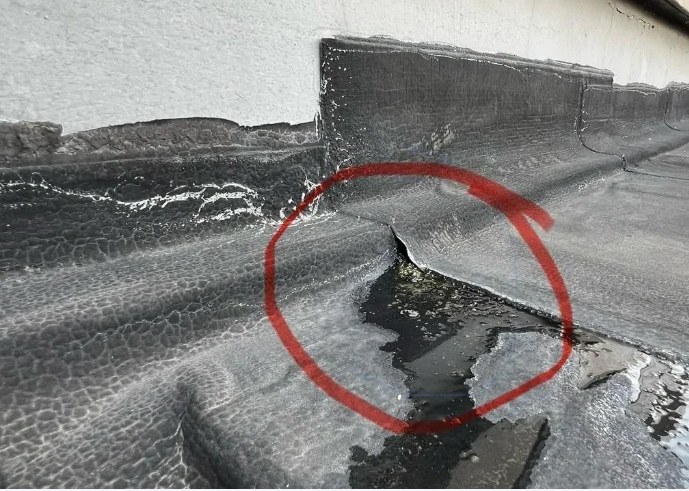
Fourth, water leakage at different locations corresponds to different fault judgment methods
Looking at the location of water leakage from the sunroof can quickly narrow the scope of failure. It is a necessary judgment skill for the on-site master. The owner can also conduct a preliminary self-inspection.
1. Water seepage above the top of the skylight: the high probability is that the upper water sheet fails, the roof coils are not in place, and rainwater enters from above the skylight;
2. Water seepage at the corners of both sides of the sunroof: the drain holes on both sides are blocked, the waterproof closure on the side is invalid, and the rainwater overflows from both sides;
3. Water seepage on the bottom edge of the sunroof: water accumulation in the bottom water collecting tank, cracking of the lower sealant, and lack of water retention at the bottom;
4. Water drips inward from the gaps around the window sash: the sealing tape of the fan body is aging, the hinge of the window sash is loose, and the window sash is not tightly closed, which belongs to the sealing problem of the window frame itself;
5. There is no leakage when it rains, and the water continues to drip after the weather is clear: the thermal insulation layer and the roof base layer have already stored water, which belongs to concealed water channeling, and the maintenance difficulty is the highest. It cannot be cured by simply gluing.
Here we need to focus on distinguishing between open seam leakage and hidden water channeling. Clear water can directly see the water inlet gap; water channeling means that water flows under the waterproof layer, and the leakage point and the water inlet point are not in the same position. Blind glue sealing indoors will only seal the water inside, and the more it is repaired, the more serious it will be.
Comparative label diagram of water leakage fault at each point of sunroof
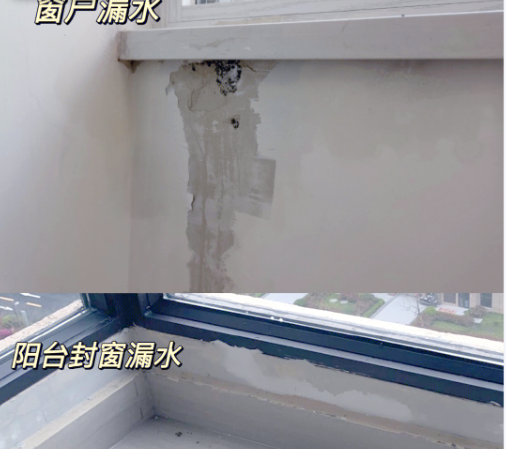
Standardized investigation process for skylight leakage on site
Professional skylight leakage maintenance, can not come up directly to glue, standardized investigation is divided into five steps, step by step.
Step 1: Preliminary observation of the appearance. Record the leakage time, distinguish between light rain seepage, heavy rain seepage, and continuous dripping after rain, take pictures of the seepage location, and observe whether the rubber surface, water-draped board, and tiles around the sunroof are damaged and displaced;
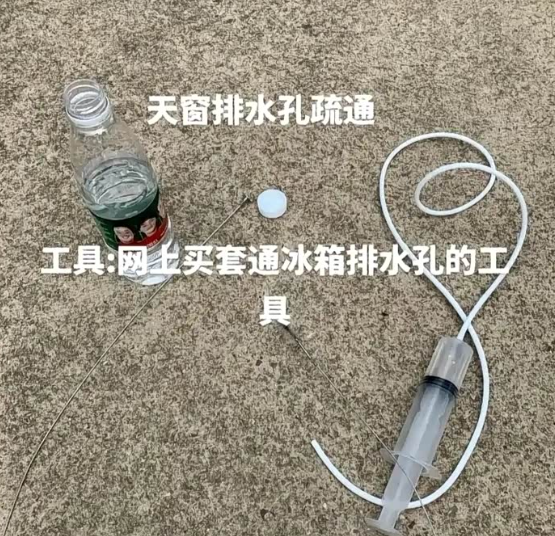
Step 2: Clean the drainage channel. Open the outer cover of the skylight, clean the debris in the sump and the four corner drainage holes, dredge the drainage pipe, test the water, and confirm that the drainage is smooth;
Step 3: Closed water test (core step). Do partition water spraying on the roof above the skylight in sections, first drizzle the area above the skylight, then drizzle on both sides and below, drizzle water in sections to observe the indoor water seepage location, and accurately locate the source of water ingress;
Step 4: Check the lap waterproofing. Lift off the partial roof tiles, check the lap width of the waterproof membrane and the water-draped board, the standard lap is ≥15cm, and check whether the membrane is hollowed or delaminated;
Step 5: Test the window sash seal. Close the sunroof, check the fit of the adhesive strip, shake the window frame, and check whether the fixing screws are loose and the profiles are deformed.
The closed water test is the key to preventing misjudgment. Many masters omit the closed water and glue it based on experience. It will not leak in the short term after maintenance, and the rainstorm will recur again.
Master site dredging skylight drain, segmented water drying and water sealing test construction map
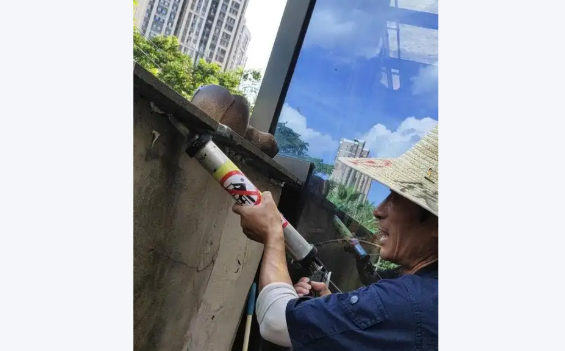
Mainstream maintenance plan for sunroof leakage, symptomatic treatment of diseases
For different leakage problems, the maintenance plan is completely different, and the wrong practice of "full circle gluing" is eliminated.
Option 1: Drainage plugging leakage. Clean the sump, dredge the drain hole, install a filter screen, and block the fallen leaves from falling into the drain; regular cleaning, the lowest cost and the fastest maintenance. Suitable for the vast majority of standing water overflow and leakage.
Option 2: Sealant cracking and leakage. Remove all the old glue, clean the base surface of the glue joint, polish and remove dust. After drying, use neutral weather-resistant silicone sealant to re-glue, and the glue joint is continuously full to ensure close bonding with the profile and water-draped board; the wet base surface cannot be directly glued, and the bonding fails.
Option 3: The lap connection between the water-draped board and the waterproof membrane fails. Remove some roof tiles and re-lay the waterproof membrane. According to the lap order of up-pressing and down, the coil is pressed into the inside of the original water-draped board of the sunroof, increase the lap width, and install new stainless steel water-draped parts to do a good job of closing and fixing.
Option 4: The rubber strip is aging, and the window sash is deformed and seeped. Replace the new EPDM sealing rubber strip; if the window frame is twisted due to installation force, the fixing screws need to be loosened, re-leveled, and re-fixed to ensure that the rubber strip is evenly pressed after the window sash is closed.
Option 5: Roof water channeling and large-scale water ingress at the grassroots. Partially remove the roof waterproof layer, redo the sunroof node waterproof, add a water guide layer to guide the rainwater to discharge outward, which belongs to an overhaul project and has a longer construction period.
Special reminder: Adding glue on the inside of the indoor ceiling is a temporary palliative measure, and the root cure must be treated from the waterproof node on the outside of the roof.
Remove the old glue, replace the water plate, and re-coil the closure maintenance site map
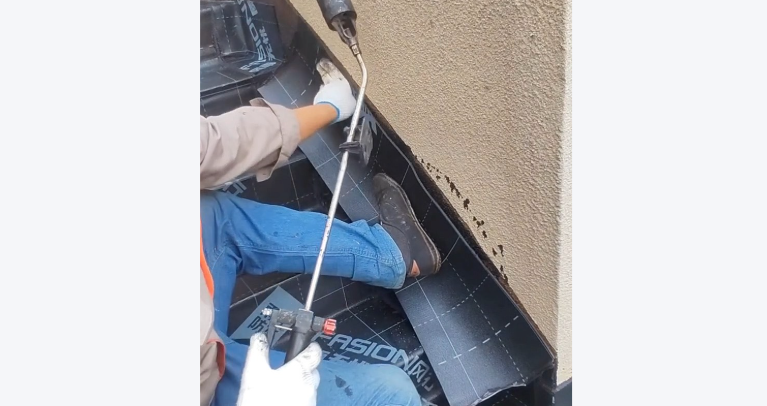
VII. Explanation of the particularity of water leakage from the sunroof of the sun room
The waterproof logic of the flat roof sunroof and the pitched roof sunroof is different. The flat roof sunroof has a higher risk of water accumulation and is the hardest hit area for water leakage. The flat roof sunroof itself has a very small slope, and many sun room manufacturers simplify the drainage design. There is no independent water collection tank, and rainwater is easy to accumulate.
Key points of waterproofing for flat-top skylights: ≥5% drainage slope must be reserved for the top surface, which cannot be completely horizontal; long drainage grooves are set around the skylight, and independent drainage pipes are led to the outside of the sun room; structural glue between the glass and aluminum frames must be selected Structural weathering glue, double-channel sealing; the waterproofing of the top surface of the sun room cannot only rely on glass glue, but also support the aluminum veneer edge closure and water draping structure.
Once the flat roof skylight leaks, it is easy to run around the cavity inside the main beam of the sun room. Often, water leaks at position A and the water inlet at position B make it more difficult to maintain than the pitched roof skylight. Therefore, the drainage structure must be completed in the early design stage.
Schematic diagram of the edge closure structure of the drainage groove of the sunroof of the flat-roof sun room
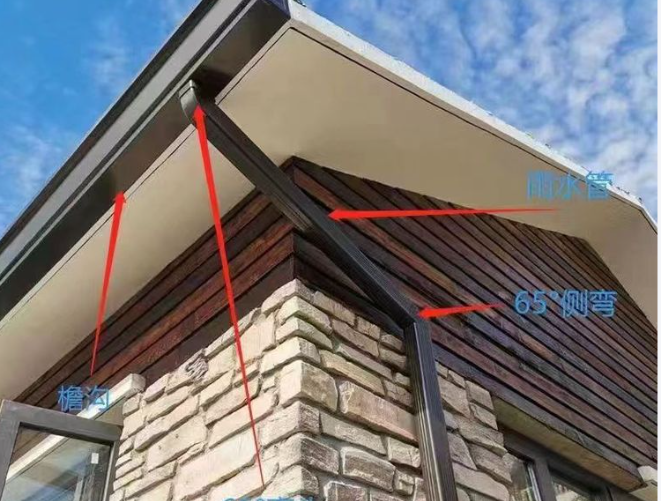
Eight, skylight leakage prevention measures to reduce the probability of leakage from the source
Maintenance is not as good as prevention in advance. Skylight waterproof control is divided into two stages: pre-selection construction and post-regular maintenance.
In the early construction stage: the brand sunroof with its own complete set of water-draped waterproof kits is preferred; the overlap sequence between the roof waterproof membrane and the sunroof follows "upper cover and lower"; sufficient drainage slope is reserved; drainage holes and drainage pipes are reserved for maintenance to facilitate later dredging; it is forbidden to damage the original factory's own drainage tank structure during construction.
Post-daily maintenance: Do a sunroof repair and maintenance before the rainy season arrives every year; clean up the fallen leaves in the drain; check whether the peripheral sealant is cracked; do not modify the water-draped board and tiles on the outside of the sunroof without permission; do not build auxiliary components around the sunroof at will to block rainwater discharge.
Villa roof skylights and sun room skylights are recommended to be inspected twice a year in late spring and late autumn to deal with glue joints in advance and dredge drainage to avoid leakage losses during heavy rains in the rainy season.
Regular maintenance and cleaning of the drain with sunroof
Nine, common misunderstandings in sunroof leakage maintenance, many owners repeatedly step on the pit
There are many misunderstandings in the sunroof repair market, which is also the root cause of repeated recurrence of water leakage. Here is the key to sort out:
Misunderstanding 1: Where there is water leakage, glue and block it on which side of the room. Only block the inside, and the water will continue to scurry to other gaps, treating the symptoms rather than the root cause;
Misunderstanding 2: Use ordinary acidic glass glue instead of weathering glue. Acid glue corrodes aluminum and cracks quickly when exposed to sunlight;
Misunderstanding 3: After the drainage hole is blocked, the gap is directly sealed with cement, and the drainage channel is completely lost;
Misunderstanding 4: If water seepage is found, replace the sunroof directly, ignore the problem of roof waterproofing, and the new sunroof still leaks;
Misunderstanding 5: Do not do a closed water test during maintenance, and the water inlet point cannot be confirmed by feeling the construction;
Misunderstanding 6: Cancel the water-draped board for beauty and rely on glue sealing to look good in the short term, and it will inevitably leak in 2-3 years.
Sunroof waterproofing is based on structural waterproofing and supplemented by sealant. The order cannot be reversed. This concept is the core of all sunroof waterproofing construction and maintenance.
Full text summary
Sunroof leakage is a comprehensive leakage problem caused by the waterproof failure of roof nodes, not a simple door and window sealing failure. The sunroof relies on a complete drainage system of water blocking, water collection tank collection, and drainage holes to achieve waterproofing. Drainage blockage, coil overlap water channeling, weathering glue aging, rubber strip failure, and installation deformation are the main leakage incentives.
The core process of overhauling sunroof leakage is: observing the location of water seepage, cleaning and dredging drainage, segmented water closure test, locating the source of water inlet, and repairing according to the corresponding disease. Priority is given to waterproofing from the nodes on the outside of the roof, rather than simply gluing and plugging indoors; the drainage structure of the pitched roof sunroof and the roof sunroof is different, and the maintenance plan cannot be used universally.
In order to reduce the trouble of sunroof leakage, on the one hand, the construction is strictly in accordance with the waterproof node specifications during the installation stage of the sunroof, and the original water-draining and waterproof accessories are equipped; on the other hand, develop the maintenance habit of regularly dredging the drain and checking the sealant. In case of sunroof seepage, it is preferred to find a professional team with roof waterproofing and sunroof maintenance experience, and avoid the maintenance misunderstanding of blind gluing, so as to cure the sunroof leakage at one time and protect the attic and sun room from being damaged by rain.