

Automatic swing door
Automatic swing door | Full analysis of working principle, classification parameters, configuration selection, installation acceptance and maintenance
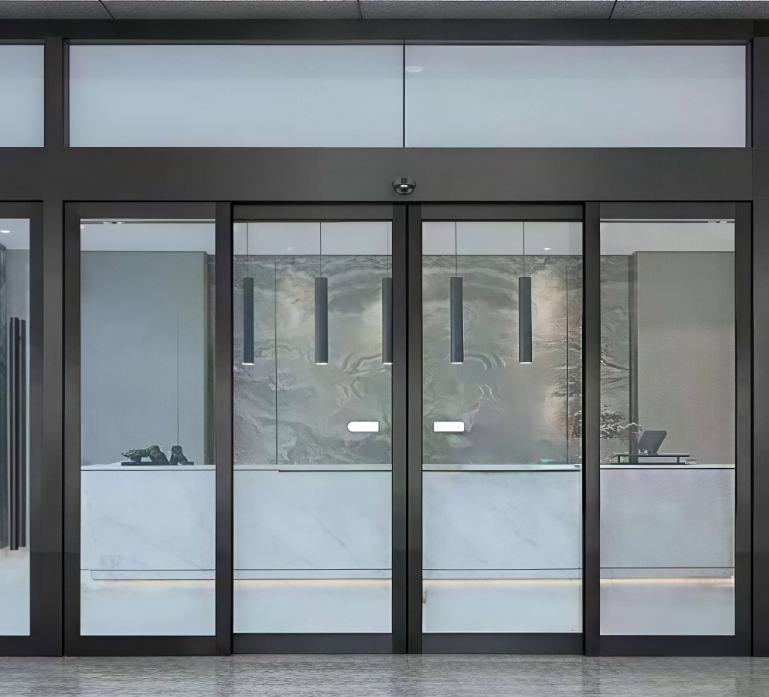
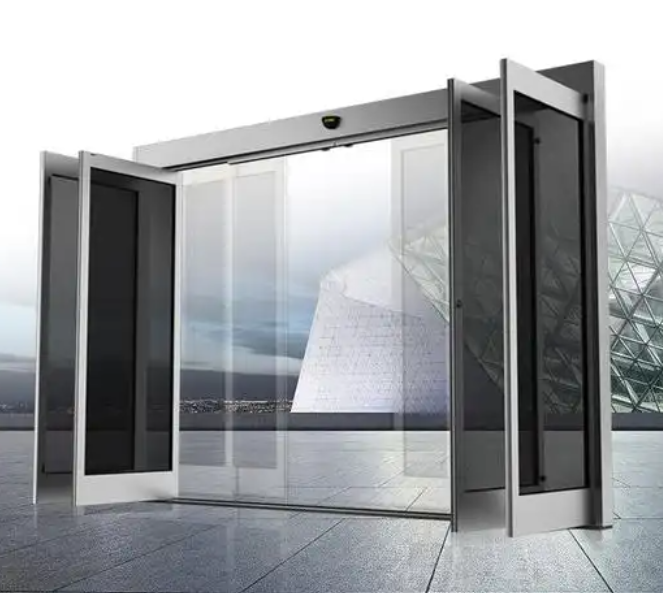
The real scene of the automatic swing door at the entrance of the office building, the door body opens smoothly, and the unit is hidden inside the lintel
First, automatic swing door product overview and application scenarios
Automatic swing doors integrate induction recognition, power drive, logic control, and safety protection, taking into account the convenience of passage, space adaptation, and security capabilities. Common application scenarios: hospital ward doors, clinic doors, office lobbies, office entrances, shops, laboratories, dust-free workshops, nursing homes, hotel room passages, bathroom barrier-free passages, bank outlets, etc. It has both one-way opening styles and two-way opening styles. At the same time, it can be matched with access control, card swiping, facial recognition, and foot switches to meet different functional requirements such as ordinary passage, clean workshops, barrier-free passage, and epidemic prevention and isolation.
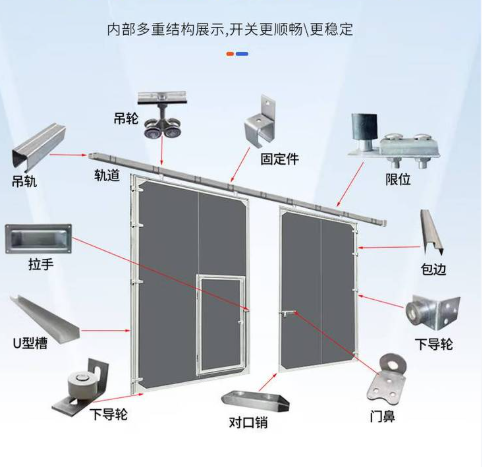
Schematic diagram of the disassembly of the internal unit of the automatic swing door, marking the motor, gear, controller and encoder
Second, the core composition and working principle of automatic swing doors
A complete set of automatic swing doors is not an ordinary door with a simple motor installed, but consists of a drive unit, a controller, an induction probe, a safety sensor, a door leaf, a hinge, a lock, and a power supply. The core drive unit is generally installed above the door lintel, and the motor is connected to the door leaf through a reduction gear and a drive rocker arm. The controller acts as the brain. After receiving the induction signal, the output command controls the motor to rotate forward and reverse to realize the action of opening and closing the door.
Basic operation logic: The sensor probe detects the pedestrian signal signal and transmits it to the main control board controller to drive the motor to run, and the rocker arm pushes the door leaf to open; when the pedestrian leaves the sensing area, the delay countdown ends, and the controller controls the door leaf to automatically close. The unit has a built-in encoder, which can identify the position and speed of the door leaf in real time, realize slow start and slow stop, and avoid the door leaf from hitting the door frame at high speed. The high-end model has a rebound function in case of resistance. When the door leaf encounters an obstacle during the closing process, it immediately opens in reverse to prevent people from being pinched. It is the core mechanism of safety protection. According to the driving structure, it is divided into two mainstream structures: arm-type automatic swing-open door and buried automatic swing-open door. The
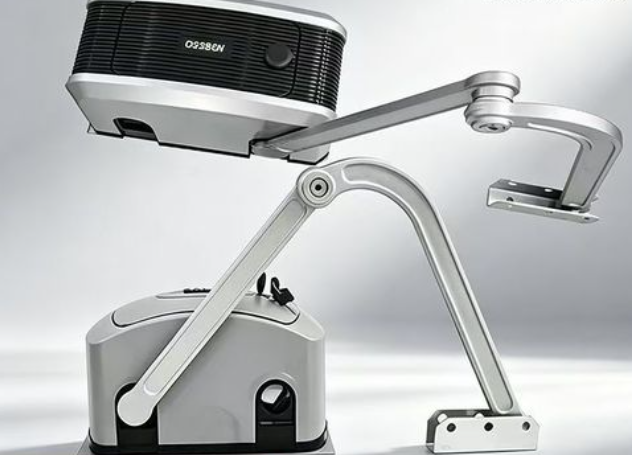
Comparison of arm-type automatic swing-open door and buried automatic swing-open door
III. Mainstream classification, structural form and parameter differences of automatic swing doors
Automatic swing doors on the market are mainly divided into arm type (external rocker arm type) and buried type (buried type), and can be divided into one-way door and two-way door according to the opening direction.
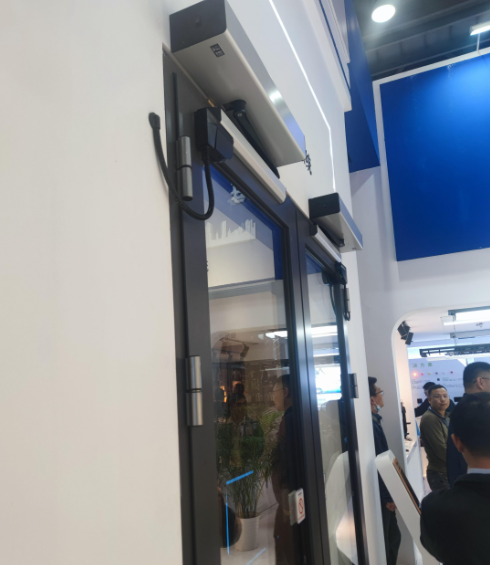
Arm type automatic swing door: the drive host is installed above the lintel, the external rocker arm is connected to the door leaf, the installation and debugging are simple, the later maintenance is convenient, the cost is moderate, and the ground does not need to be damaged during maintenance; the disadvantage is that the rocker arm is exposed, there are mechanical components, and there are certain requirements for space. It is not suitable for narrow door openings and places with extremely high requirements for aesthetics. The conventional load-bearing range of a single fan is 80kg, 100kg, 120kg, suitable for wooden doors and aluminum frame glass doors.
Buried automatic swing door: the drive movement is pre-buried in the ground box, the surface only sees the hinge, no exposed rocker arm, the overall appearance is simple, suitable for shopping malls, high-end hotels, exhibition halls, hardcover lobbies; the disadvantage is that the construction is complicated, the ground needs to be slotted and pre-buried in the early stage, and the waterproof treatment requirements are high. Once the movement enters the water, it is easy to fail. Later maintenance needs to pry open the ground, and the maintenance cost is high.
In addition, it is divided according to the usage attributes: medical airtight automatic swing-open door, clean workshop automatic swing-open door, barrier-free automatic swing-open door, and ordinary commercial automatic swing-open door. The medical airtight model adds a rubber strip compression structure, which is tightly sealed after closing the door, meeting the airtight and dustproof requirements of the operating room and PCR laboratory; the barrier-free model supports low-speed opening, long-term opening time, and is suitable for wheelchair access.
The main parameters of the selection: the weight of a single door leaf, the width of the door opening, the opening angle (conventional 90, partially customized 110), the delay time of opening the door, and the power supply voltage.
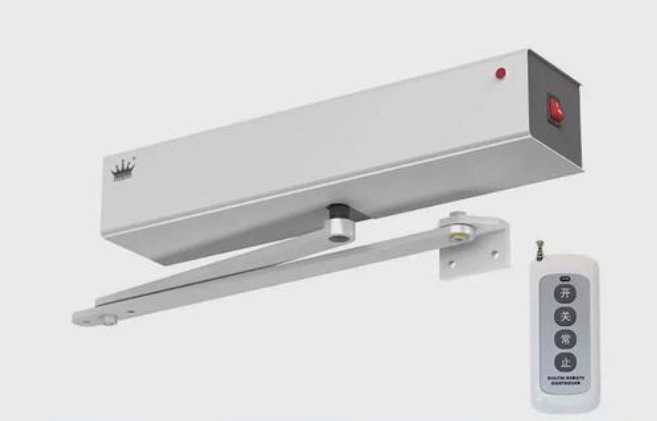
Automatic swing door induction accessories collection, microwave radar, infrared safety grating, foot switch, facial recognition
IV. Detailed explanation of the functions of automatic swing door induction accessories and safety accessories
Sensing and safety accessories directly determine the user experience and safety level of automatic swing doors, and are also easy to reduce in many projects.
1. Microwave radar sensor: the most commonly used trigger probe, which senses the movement of the human body and automatically opens the door for pedestrians. It is highly responsive and suitable for entrances and exits with stable flow of people. The disadvantage is that it does not recognize static objects.
2. Infrared safety grating/safety electric eye: installed on the side of the door leaf, if someone or object blocks the beam of light when closing the door, the door leaf stops closing or rebounds, anti-clip core accessories, hospitals and children's places are standard.
3. Foot switch, hand button: passive trigger switch, suitable for hospital operating rooms and clean workshops. It is inconvenient for personnel to touch the sensor probe with both hands holding the instrument, and the foot control opens the door.
4. Access control identification module: swipe card, password, facial recognition, fingerprint module, to achieve rights management, foreign personnel can not pass at will, mostly used in offices, laboratories, computer rooms.
5. Fire linkage module: After receiving the fire signal, it automatically unlocks and keeps the door open to meet the fire evacuation specifications and mandatory requirements for key fire protection projects such as office buildings and hospitals.
Pit avoidance tip: The low-cost solution is only equipped with a radar probe, the safety grating is omitted, and only the rebound motor is blocked. The protection level is insufficient, and personnel are easily injured by the door leaf, and the acceptance cannot be passed.
Automatic swing door door leaf material sample, aluminum frame glass door, solid wood door, color steel plate airtight door
Fifth, automatic swing door material selection and adaptation scene
The weight of the door leaf of the automatic swing door will directly match the load-bearing unit, and the material of the door leaf cannot be selected at will. Overweight door leaf will accelerate motor wear and shorten service life.
Aluminum frame tempered glass door leaf: the most popular commercial scene, good transparency and lighting, moderate weight, high value, shops, lobbies, offices preferred, with double insulating glass can also sound insulation;
Solid wood door leaf: warm texture, suitable for hotels, tea rooms, clubs, but the weight of solid wood is large, and 100kg and 120kg heavy-duty units need to be selected. At the same time, attention should be paid to moisture-proof to prevent the door leaf from being deformed and stuck.
Color steel plate airtight door leaf: filled with rock wool or honeycomb panels inside, surrounded by sealing strips, with strong airtightness, mostly used in hospital operating rooms, laboratories, and dust-free workshops;
Stainless steel door leaf: waterproof and corrosion-resistant, suitable for humid environments, back kitchen passages, factory outdoor passages, corrosion-resistant and easy to clean.
Attention: Ordinary automatic swing door units are not suitable for overweight and ultra-wide door fans. Before purchasing, the door size and weight must be accurately measured, and the unit balance should be reserved for more than 20%, which is more stable for long-term use.
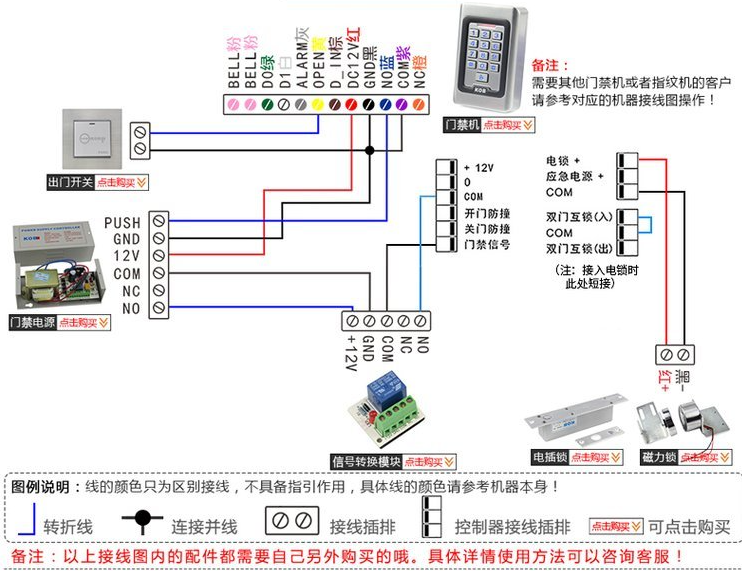
Automatic swing door unit wiring debugging screen, engineers debug door opening speed and delay parameters
Six, automatic swing door core performance adjustment parameters, professional debugging points
The automatic swing door controller has built-in multiple sets of adjustable parameters, and the debugging level determines the use experience. Many installers can only switch on and off, without refined debugging, resulting in problems such as too hard closing and insensitive sensing.
The core adjustable parameters include: door opening speed, door closing speed, door opening holding time, rebound strength in case of resistance, and opening angle.
Door opening speed: commercial conventional 0.3 to 0.5m/s; hospitals and barrier-free passages require low speed, 0.2 to 0.3m/s, to ensure the safety of wheelchairs and the elderly.
Door opening delay: 3 seconds, 5 seconds, 10 seconds adjustable, large flow of people, wheelchair access position extension delay;
Rebound strength: the strength should not be too large, the strength is too large, the risk of pinch is high, and it is too small to be blocked by the wind and cannot be closed;
In addition, it has a locking function, which can be set to normally open and normally closed modes. Normally open mode is suitable for evacuation during peak periods, and the door leaf remains open; in normally closed mode, it needs to be sensed or swiped to open.
The difficulty of debugging the buried model is higher, and the level of the ground box and the transmission gap should be adjusted. Once the level is offset, the door leaf switch will make abnormal noises and wear faster.
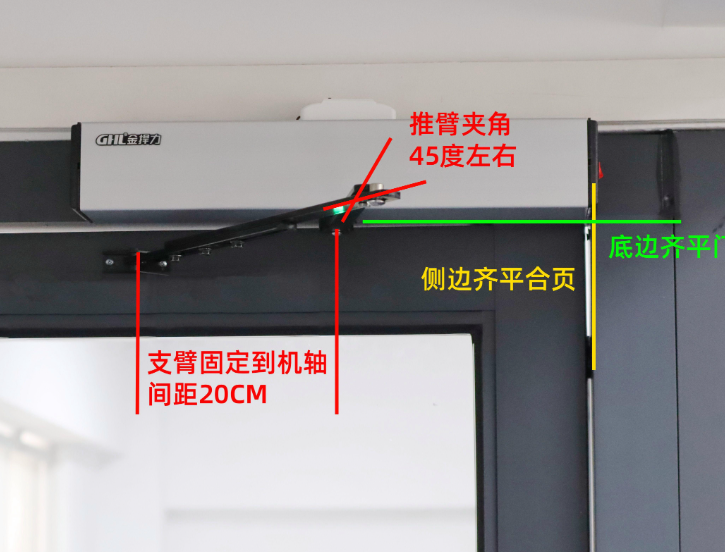
Automatic swing door standardized installation construction map, positioning pay-off, fixed unit, wiring construction
Seven, automatic swing door installation process, construction specifications and waterproof points
Automatic swing doors are mechatronic customized products, and installation is a top priority, especially for buried models. It is difficult to remedy pre-embedded errors in the early stage and later stage.
Arm automatic swing door construction process: door opening review lintel reinforcement (unit has weight, light partition wall must be reinforced load-bearing) fixed host installation rocker arm, hinged door leaf hoisting fixed wiring access induction, safety accessories power-on debugging practice run finished product protection.
Buried automatic swing door process: ground slotted floor box positioning, pouring and fixing, do a good job of floor box waterproof layer, drain hole maintenance and curing installation movement, hinged door fan, wiring debugging. Buried waterproof is the top priority, the floor box must reserve drainage holes, and the surrounding water stop slope should be made to prevent rainwater and clean the ground from infiltrating the movement. Water ingress is the most common cause of failure of the buried machine.
Wiring requirements: strong and weak separation, induction signal line and power line separate wiring, to avoid signal interference, random door opening, false triggering. After the installation is completed, continuous no-load practice run not less than 50 times, check no abnormal sound, no card, rebound function is normal, can be delivered.
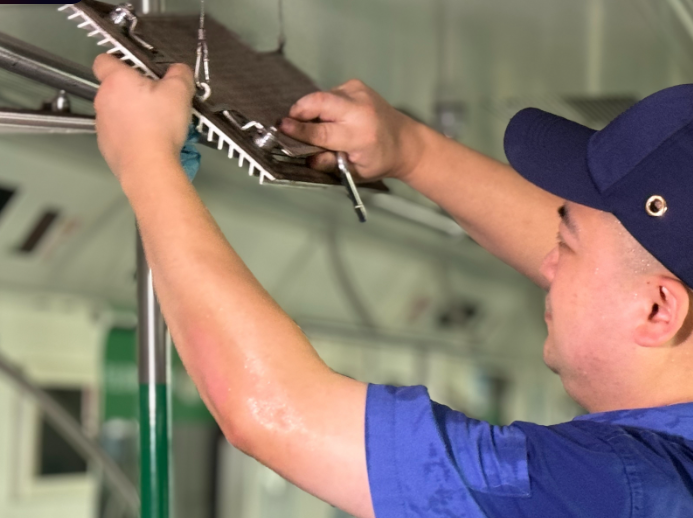
The maintenance master overhauls the automatic swing door unit, cleans up dust and adds lubrication
Eight, automatic swing door common faults, daily maintenance plan
Regular maintenance can significantly extend the life of the automatic swing door unit and reduce malfunctions.
Key points of daily inspection: whether the surface of the sensor probe is blocked by dust, whether the rocker hinge screw is loose, whether the door leaf sinks, whether the rubber strip is damaged, and whether the power line is aging.
Causes of high frequency failure:
1. The door leaf sinks, the hinge is loose, the switch card, and abnormal sound; solution: leveling the door leaf and fastening the hinge;
2. Radar false triggering, random door opening: probe angle offset, surrounding reflective objects, line interference;
3. Close the door and clip people, and the rebound fails: the rebound strength parameter is set too large, or the safety grating is shifted and blocked;
4. Buried machine water failure: the drainage of the ground box is blocked, and the water is soaked in the main board of the motor.
Maintenance cycle: maintenance every 3-6 months in ordinary commercial places; 2-3 months maintenance in high-frequency scenarios such as hospitals and dust-free workshops. Maintenance content: fastening connectors, adding special grease to transmission parts, cleaning probe dust, testing anti-pinch, fire linkage function. It is forbidden to flush water inside the motor for cleaning.
Comparison of the completion effect of automatic swing doors in different scenes of hospitals, shops and offices
Nine, automatic swing door purchase avoidance guide, procurement precautions
Many customers purchase automatic swing doors only to compare prices, ignoring unit brands, load-bearing allowances, and safety configurations, which pose many hidden dangers in the later stage.
First, distinguish the unit load false standard, some small factory units marked 100kg, the actual continuous load is insufficient, after the door leaf is heavy, the motor will be burned out in a few months; it is recommended to reserve 20% load-bearing allowance;
Second, reduce the safety accessories, do not install infrared gratings, only the motor rebounds against resistance, and the protection level does not meet the acceptance standards of hospitals and public places;
Third, the buried model ignores the waterproof plan, only pre-embedded without drainage and water stop, and frequent water entry maintenance in the later stage;
Fourth, regardless of fire protection linkage, additional modifications are required during fire inspection, which increases costs.
Fifth, the door leaf is made of overweight solid wood doors, paired with light arm units, for long-term overload operation.
Simple reference for selection: office, shop budget, convenient maintenance arm automatic swing door; high-end exhibition hall, hardcover lobby pursuit of buried automatic swing door without exposed components; hospital, laboratory, clean workshop airtight automatic swing door, equipped with safety grating, foot switch, fire linkage.
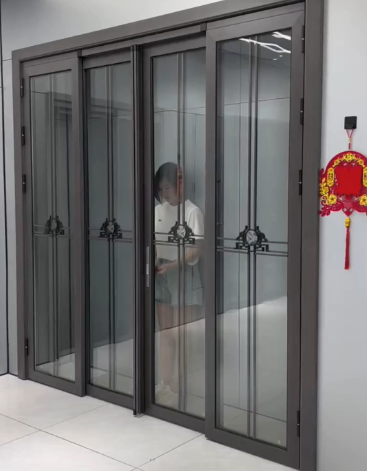
The overall completion renderings of the automatic swing door, the lines are neat and simple after the door leaf is closed
Summary: Automatic swing doors are a combination of convenient passage and safety protection
The automatic swing door is not just a simple electric door opening device, but a smart door system that integrates mechanical transmission, electronic control identification, and security protection. Compared with the sliding door, it retains the traditional swing door opening method, the sealing effect is better, and the airtight model can meet the special working conditions of clean and medical treatment. At the same time, it can be flexibly matched with access control and fire protection linkage to adapt to a variety of commercial, industrial, and medical scenarios.
In the project selection, we should not only focus on the appearance, but also determine the arm type or buried structure according to the size of the door opening, the weight of the door leaf, the place of use, the fire code, and the budget, and then cooperate with professional installation and regular maintenance to ensure the long-term stability, safety, and smooth operation of the automatic swing door, providing users with a convenient and safe passage experience.