

FRP doors and windows
FRP doors and windows | Full analysis of material characteristics, production process, selection comparison, installation acceptance
First, the basic introduction of fiberglass doors and windows: What are fiberglass doors and windows?
Schematic diagram of disassembly of FRP profile section
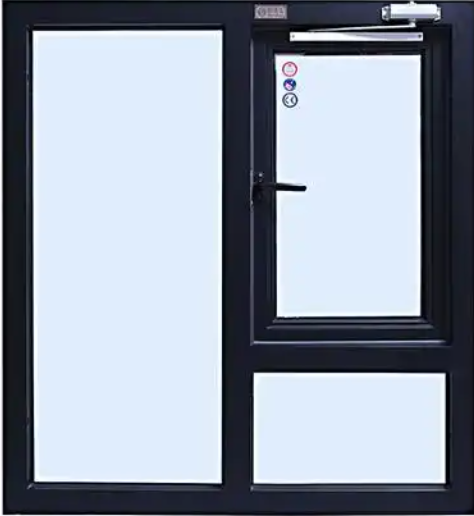
FRP doors and windows, also known as FRP fiberglass reinforced plastic doors and windows, are made of glass fiber and its products as reinforcement materials, unsaturated polyester resin, epoxy resin as the matrix, and integrated into profiles through pultrusion molding process, then cut and assembled. The door and window system is a new type of energy-saving door and window that is different from broken bridge aluminum, plastic steel, and solid wood doors and windows.
Many people easily confuse fiberglass doors and windows with ordinary plastic-reinforced PVC doors and windows, which are completely different in nature. The main body of plastic-reinforced plastic is PVC plastic, without glass fiber reinforcement; while fiberglass relies on glass fiber to withstand tension, resin plays a role in bonding and shaping, and has both the corrosion resistance of plastic, heat insulation and high strength of steel. It is also often called "glass fiber pultruded doors and windows" in the industry.
FRP doors and windows were first used in chemical workshops and coastal anti-corrosion projects. With the advancement of energy-saving policies, they gradually entered residential, homestay, villa, breeding house and other scenes. Its biggest label is that it does not rust, has extremely low thermal conductivity, and is resistant to acid and alkali corrosion. In some special working conditions, broken bridge aluminum and aluminum alloy doors and windows cannot be competent. FRP doors and windows are the preferred solution. This article explains step by step from material, process, performance, selection, installation, and pit avoidance to help you understand the professional points of FRP doors and windows.
Second, the principle of raw materials and core materials for FRP doors and windows
Real pictures of glass fiber and resin raw materials
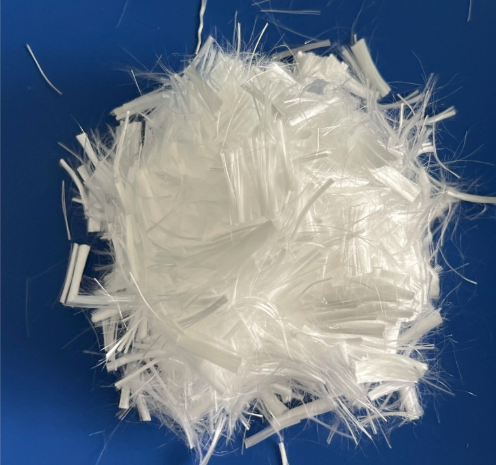
The two core raw materials for FRP profiles are alkali-free glass fiber, thermosetting resin, and additives such as fillers, color pastes, curing agents, and mold release agents. The quality of raw materials directly determines the service life of doors and windows.
First, alkali-free glass fiber. Alkali-free glass fiber has good insulation performance, aging resistance, and high strength, making it the material for mainstream qualified products. Low-quality products in the market will use medium-alkali and high-alkali glass fiber, which has high alkali content. Long-term exposure to water and humid environments will gradually hydrolyze, and the profiles will become brittle and crack in layers. Quality problems will occur in 2-3 years.
Second, the matrix resin. Commonly divided into unsaturated polyester resin, vinyl resin, epoxy resin. Unsaturated polyester resin is used for ordinary civilian models; vinyl resin is used in chemical corrosive environments, which has stronger acid and alkali resistance; epoxy resin has higher cost, better bonding strength and weather resistance, and is mostly used for high-end customization.
The principle is simple to understand: resin is like cement, glass fiber is like steel bar, and the fibers are continuously arranged inside the profile to bear the load. The resin wraps the fibers to isolate water vapor and corrosive media, forming a stable composite structure that neither conducts heat like metal nor deforms and softens easily like pure plastic.
Fiberglass itself is a thermosetting material, and it cannot be remodeled by hot melt after forming, so the stability of the profile is much better than that of PVC plastic steel, and it will not soften and sag in high temperature environments.
Third, the production process of glass fiber reinforced plastic doors and windows pultrusion molding
Process flow chart of FRP profile pultrusion production line
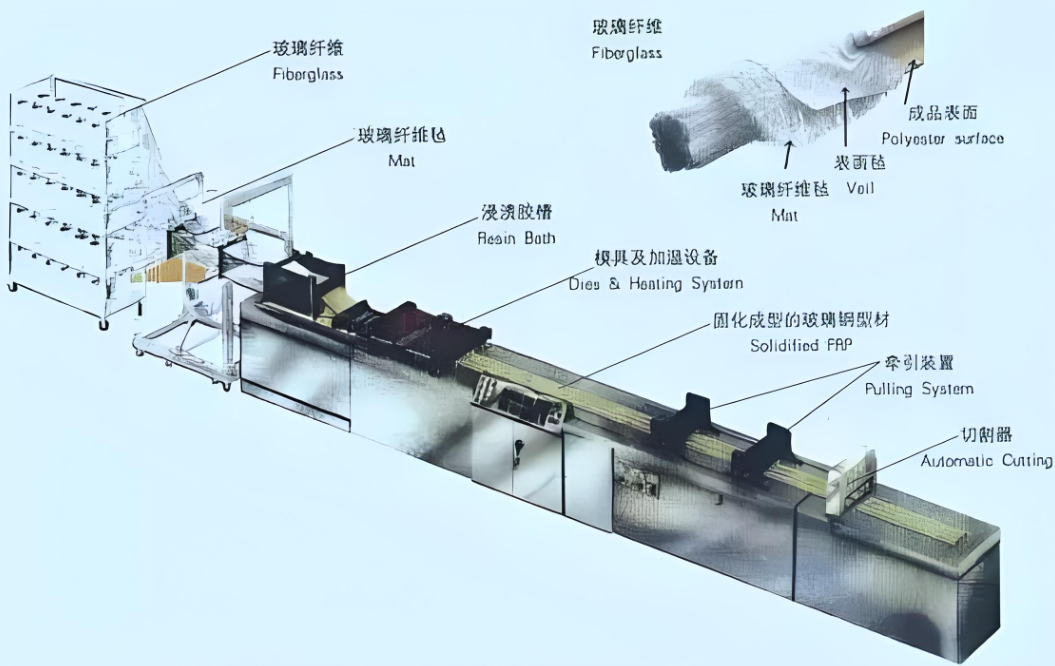
FRP door and window profiles are not extruded, but a continuous pultrusion process, which is the core difference from aluminum alloy extrusion and plastic steel extrusion. The whole set of standardized processes is rigorous.
1. Ingredients infiltration: resin, curing agent, color paste, and filler are mixed and stirred according to the formula to form a glue liquid; glass fiber yarn and glass fiber felt are sent into the glue tank through the yarn guide frame to fully dip the glue.
2. Preform: The glass fiber bundles after dipping enter the preform mold and are arranged into the designed profile section shape to discharge excess resin and bubbles.
3. Curing molding: Entering the high-temperature heating mold, the resin undergoes a thermosetting crosslinking reaction inside the mold, solidifies and shapes, and forms a hard profile.
4. Traction cutting: The tractor pulls the profile forward at a constant speed to ensure that the internal fibers continue to be straight and reach the specified length for automatic cutting.
5. Post-processing: grinding, sealing, surface coating, inspection of profile flatness, delamination, bubbles, and material defects, and warehousing after passing.
Subsequent door and window workshops will carry out blanking, milling, assembly, and installation of rubber strips, hardware, and glass to become finished doors and windows.
Common ways to cut corners in the industry: reduce the glass fiber content, increase the cheap filler of calcium carbonate, the profile looks heavy, but the strength is insufficient, and it is easy to break; or the curing temperature and time are insufficient, the internal curing of the profile is not complete, and it is easy to deform, sticky, and pulverize later. The glass fiber content of regular FRP profiles is generally not less than 60%.
Fourth, the core performance advantages of FRP doors and windows
Fiberglass doors and windows performance comparison index chart
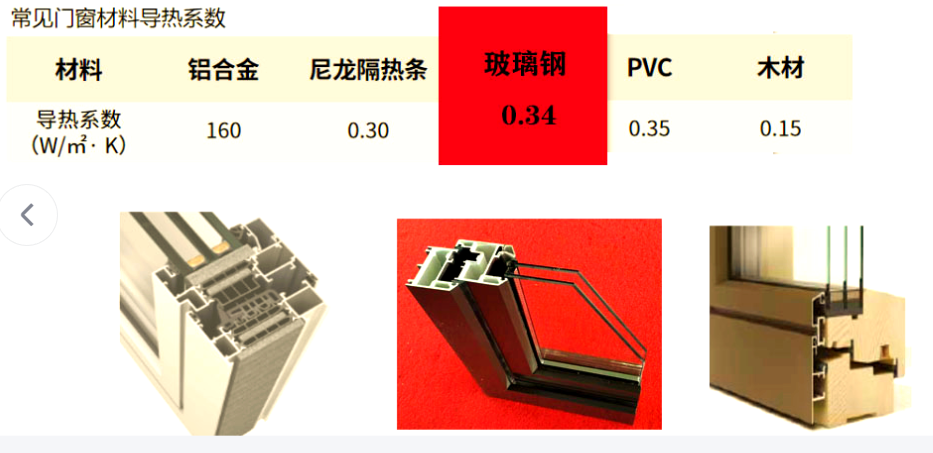
Compared with broken bridge aluminum, plastic steel, and aluminum alloy, FRP doors and windows offer several outstanding unique advantages, making them particularly suitable for special environments.
First, the thermal insulation performance is excellent. The thermal conductivity of FRP is extremely low, the thermal conductivity is only about 0.3W/(m · K), which is far lower than that of aluminum alloy (200W/(m · K)). The thermal insulation ability is better than that of ordinary broken bridge aluminum. It is not easy to condense indoors in winter, and blocks outdoor heat penetration in summer. The energy saving effect is outstanding. It is suitable for northern heating buildings and passive houses.
Second, corrosion resistance, no rust. Without fear of rain, salt spray, acid and alkali fog, in coastal areas, chemical plants, sewage treatment stations, farms, and pickling workshops, aluminum alloys will soon appear oxidized white spots and corrosion perforations, while fiberglass will not rust, which is its irreplaceable core selling point.
Third, the insulation is flame retardant and has high safety. It is non-conductive in itself, and is very suitable for high-voltage distribution rooms, substations, and computer rooms. Flame retardant additives can be added to meet the B1 flame retardant standard. It is difficult to ignite in case of fire and self-extinguishing when it leaves the fire. There is no hidden danger of electric shock caused by metal conductivity.
Fourth, the dimensional stability is good, not easy to deform. Thermosetting material, the expansion and contraction rate is very small when the temperature changes, high temperature does not soften, low temperature does not embrittle, and will not sag like plastic steel in summer and shrink leaks in winter.
Fifth, the noise insulation effect is good, with insulating glass and multiple sealing strips, which can meet the needs of residential sound insulation; the surface color is integrated, and no later painting is required. It is not easy to lose paint and fade in normal use.
The shortcomings and limitations of fiberglass doors and windows
Schematic diagram of the real shot of the collision and damage of the glass fiber reinforced plastic door and window profiles
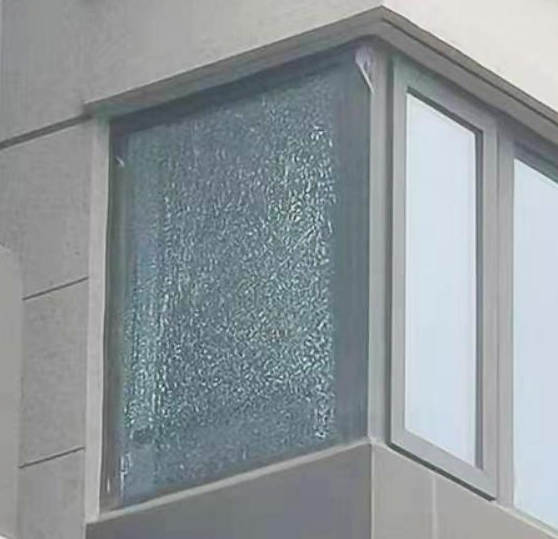
Without universal doors and windows, fiberglass doors and windows also have obvious shortcomings. It is necessary to objectively understand before purchasing to avoid expected deviations.
First, the profile has high hardness but high brittleness. The impact toughness of fiberglass is not as good as that of aluminum alloy. It is prone to collapse, cracking and delamination under the impact of heavy objects, and cannot withstand severe impact. It is not suitable for places with large flow of people and frequent collisions.
Second, the processing and transformation are difficult. After the profile is cured and formed, it cannot be welded by hot melt. The difficulty of on-site cutting and opening is higher than that of aluminum alloy. It is more troublesome to change the size and hole in the later stage, and the processing accuracy requires high factory equipment.
Third, there are few options for matching hardware on the market. Most of the mainstream door and window hardware is developed for broken bridge aluminum and plastic steel, and there are not many special hardware specifications for FRP profiles. Some niche hardware procurement cycles are long, which requires high assembly processes for manufacturers.
Fourth, the surface texture is biased towards industrial style. It is difficult to make a delicate metal texture of aluminum alloy, and the style richness is not as good as that of broken bridge aluminum doors and windows. It is difficult to customize carved and complex arc shapes, and the choice of light luxury and minimalist fancy shapes for home decoration is limited.
Fifth, the market penetration rate is low, there are not many high-quality regular manufacturers, and there is a flood of inferior products in small workshops. Once low-filler, high-alkali glass fiber products are purchased, the failure rate is very high.
Applicable scenarios and unsuitable scenarios for FRP doors and windows
Installation scene of fiberglass doors and windows in chemical plants and seaside homestays

✅ Priority recommended usage scenarios:
1. Coastal area buildings: seaside villas, fishing row houses, island buildings, resistant to salt spray corrosion;
2. Industrial anti-corrosion workshops: chemical plants, electroplating workshops, sewage treatment plants, pickling plants;
3. Animal husbandry facilities: pig farms, chicken farms, ammonia, humid and corrosive environments;
4. Power distribution room: substation, distribution room, box-to-machine room, insulation without conductivity risk;
5. Energy-saving farm houses, passive low-energy buildings, emphasizing heat insulation and reducing energy consumption.
6. Wastewater stations, garbage stations, and other facilities with corrosive gases.
❌ Not suitable for the scene:
High-rise crowded public passageway doors and windows, factory doors that are often hit by heavy objects, projects that require frequent on-site cutting and transformation, and high-end home decoration that pursues complex metal decoration.
Ordinary urban commercial housing, if it is only for regular household use, does not have special needs for corrosion and insulation. Broken bridge aluminum doors and windows are well-equipped, and after-sales hardware is convenient. The comprehensive experience will be better.
Detailed comparison of FRP doors and windows with broken bridge aluminum and plastic steel doors and windows
Comparison table of three types of door and window parameters
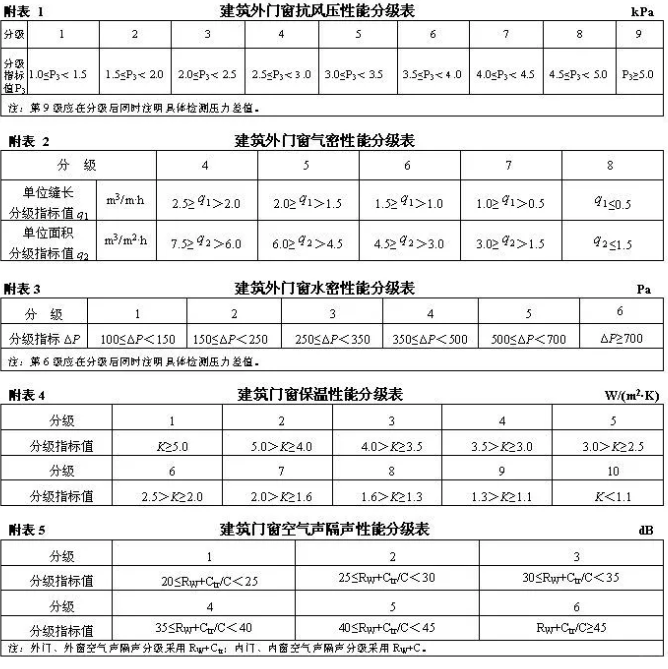
Many customers are torn and selected, and the following intuitive comparison is convenient for quick judgment:
1. Thermal insulation: FRP > broken bridge aluminum > plastic steel;
2. Corrosion resistance: FRP > plastic reinforced plastic > broken bridge aluminum;
3. Impact toughness: broken bridge aluminum > plastic steel > fiberglass;
4. Conductive properties: broken bridge aluminum conductive, fiberglass, plastic insulation;
5. Style richness: Broken bridge aluminum has the most styles and fiberglass has the least;
6. Post-maintenance hardware: aluminum parts for broken bridges are easy to find everywhere, and fiberglass parts are niche;
7. Long-term aging life: high-quality fiberglass has the longest lifespan in corrosive environments, and high-quality broken bridge aluminum in ordinary environments has stronger stability.
8. Price range: Under the same configuration, the price of FRP doors and windows is generally higher than that of ordinary plastic steel, which is close to that of mid-end broken bridge aluminum, and the price of high-end vinyl anti-corrosion models is higher.
Simple summary: ordinary home decoration should choose broken bridge aluminum; there are corrosion, salt spray, insulation requirements, priority is given to fiberglass doors and windows.
Eight, fiberglass doors and windows sealing structure, glass matching scheme
Sectional view of multi-channel sealing structure of FRP doors and windows
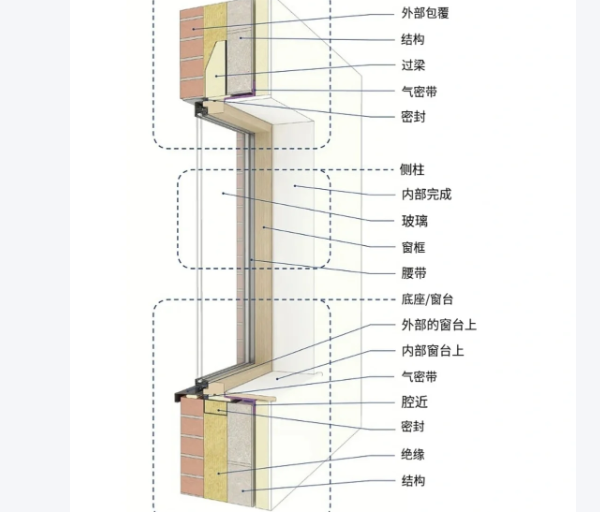
Fiberglass doors and windows should not leak air or water, and the sealing system and glass selection are the key points.
Regular products use a multi-channel isobaric cavity sealing structure, generally three EPDM EPDM sealing strips, which are anti-aging and suitable for profile card slots to form an isobaric drainage chamber, and rainwater is discharged along the drainage hole to prevent rainwater from pouring back.
Glass options:
Ordinary residential: 5 + 12A + 5 double-layer hollow tempered glass to meet thermal insulation and sound insulation;
In the cold area of the north: three layers and two cavities of hollow tempered glass to improve thermal insulation and prevent condensation;
Explosion-proof, special industrial requirements: laminated tempered glass;
Anti-corrosion workshop, low lighting requirements: can be matched with matte, brown glass.
Attention: The strength of the FRP profile itself is sufficient, but the glass should still be tempered according to the national standard, and the upper layer must be tempered to avoid the risk of glass breaking and falling.
Nine, fiberglass doors and windows installation, acceptance specification points
Fixing and gluing construction map of fiberglass doors and windows

The brittle characteristics of FRP doors and windows determine that the installation is different from that of aluminum alloy, and there are exclusive precautions.
1. Fixing method: Preference is given to using fixing pieces to connect and fix, and direct use of expansion bolt hard top profiles is prohibited. Forceful extrusion can easily cause cracking and delamination of profiles; the fixed point spacing conforms to the specification, and the corner position encrypts the fixing point.
2. Filling treatment: The gap between the window frame and the wall is filled with foamed polyurethane, and the filling is full. Weathering silicone sealant is used on the outside. The sealant is corrosion-resistant and weather-resistant, and ordinary acidic glass glue cannot be used.
3. Strong correction is strictly prohibited: if the aluminum alloy window frame is installed crooked, it can be moderately pried for correction; fiberglass is brittle, and forced prying is easy to delaminate the internal fiberglass. The early positioning and leveling must be done in one step.
4. Drain hole inspection: The drain hole is reserved by the factory, and it cannot be blocked by styrofoam and sealant during installation to ensure smooth drainage.
5. Completion acceptance: The opening and closing of the fan is smooth, with no card or abnormal sound; the gap is uniform after closing; the sealant is continuously cracked; there is no water seepage in the rain test; there is no collapse, delamination, or crack on the surface of the profile.
Ten, fiberglass doors and windows purchase pit avoidance and post-maintenance methods
The real picture of the delamination bubble defect of inferior FRP profiles
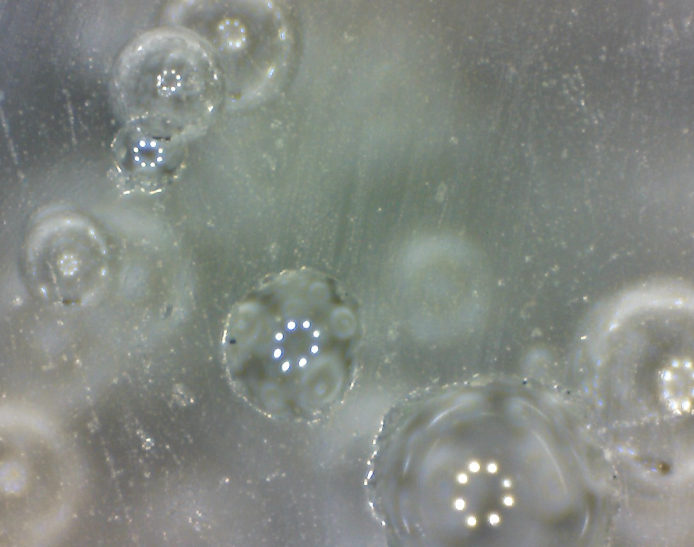
Key points for purchasing pit avoidance:
1. Differentiate the quality of glass fiber, reject low-cost goods of high-alkali glass fiber, ask the type of resin, and the corrosive environment must be vinyl resin;
2. Check the profile section. The internal fibers of the high-quality product are evenly arranged, without a large number of pores, white spots, and delamination; loose sections and many holes are inferior products with excessive fillers;
3. Don't just look at the thickness, focus on confirming the glass fiber content. Many thick profiles add a lot of calcium powder, which is brittle when touched;
4, the contract states the material, resin type, flame retardant grade, quality assurance years, clear hardware matching;
5. Do not buy unqualified small workshop products. Many small factories do not have pultrusion production lines and purchase defective profiles for assembly.
Maintenance:
FRP itself is free from rust, and it is only wiped with a soft cloth of water every day; avoid sharp hard objects from vigorously hitting and knocking on profiles; sealing strips and sealants are consumables. Check them every 3-5 years and replace them in time for aging cracking. Do not use strong acid-base cleaners to clean the surface, which will corrode the surface resin and accelerate aging.
Full text summary
Panoramic renderings of the completion of the FRP door and window project
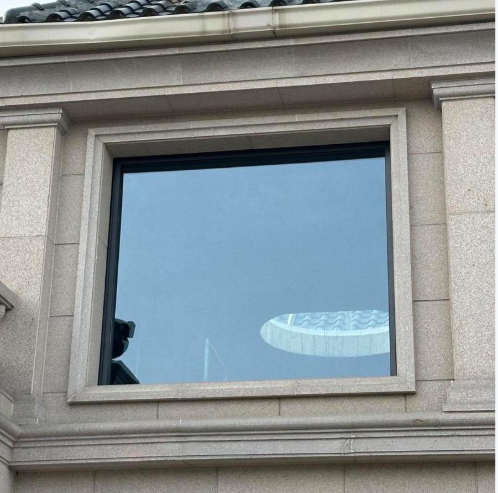
Fiberglass reinforced plastic (FRP) doors and windows are composite energy-saving doors and windows formed by glass fiber pultrusion. Their core advantages lie in super corrosion resistance, salt spray resistance, extremely low thermal conductivity, and insulation and flame retardancy. They are dedicated doors and windows for special scenarios in coastal, chemical, farming, and electric power.
It is different from the positioning of broken bridge aluminum and plastic steel doors and windows. It is not a universal alternative, with outstanding advantages. At the same time, there are shortcomings of high brittleness, few styles, and niche hardware matching. The core of purchase is to look for regular pultruded profiles with alkali-free glass fiber and qualified thermosetting resin, and avoid low-cost and inferior products filled with calcium powder and high alkali glass fiber.
When installing, it is necessary to abide by the construction specifications of light fixing and no forced prying, and complete the drainage and sealing. If the project has acid and alkali corrosion, seaside salt spray, and insulation requirements, FRP doors and windows are a cost-effective solution; conventional urban home improvement, without special working conditions, the comprehensive matching and maintenance convenience of broken bridge aluminum doors and windows will be more advantageous.