

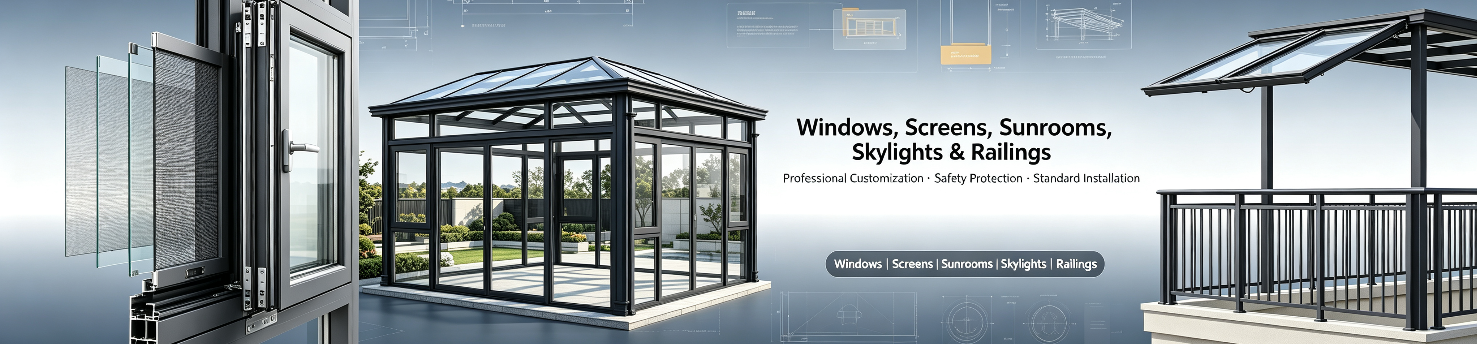
Smart doors and windows
Intelligent doors and windows professional explanation: system composition, functional principle, selection standards and installation operation and maintenance guide
Real renderings of smart doors and windows in the whole house, linkage smart home central control panel
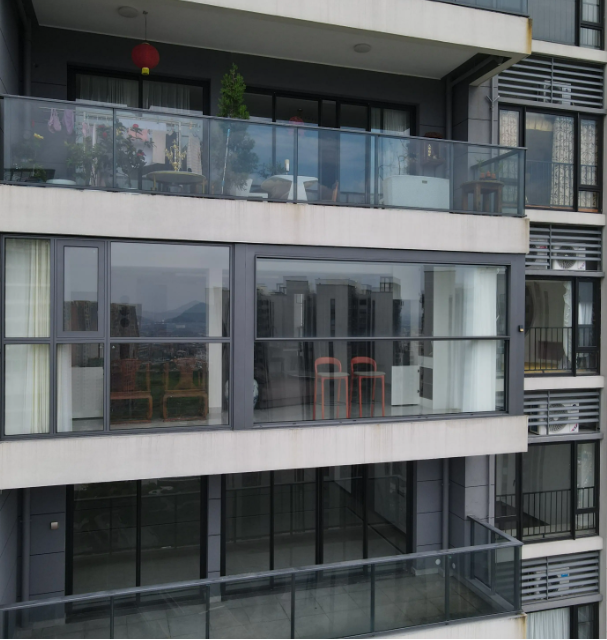
First, the basic concept of intelligent doors and windows and the development orientation of the industry
Intelligent doors and windows are based on traditional broken bridge aluminum and system doors and windows, and integrate electric drive module, sensor module, communication module, control system, and security alarm module into a new generation of door and window systems. Different from ordinary manual doors and windows, it is no longer just a simple lighting, ventilation, and sound insulation envelope component, but an important execution end point in the intelligent system of smart homes and buildings. Many owners easily equate smart doors and windows with "electric window openers", which is a common cognitive misunderstanding in the industry. A set of qualified smart doors and windows is an integrated design of door and window profile system, glass sealing system, power execution system, and intelligent control system, rather than later installing electric accessories on ordinary windows.
With the rise in demand for residential intelligence, high-end villa decoration, commercial office buildings, and sun room projects, the application scenarios of intelligent doors and windows continue to expand, including high-end residences, villas, sun rooms, top floor skylights, office buildings, factory fire exhaust windows, hotel rooms, pension apartments, etc. It takes into account the basic performance of heat insulation, sound insulation, waterproof, airtight and watertight doors and windows themselves, and realizes automatic control, remote management, security early warning, and environmental linkage. It is the mainstream direction of the current door and window industry upgrade.
Traditional doors and windows rely on manual opening and closing, and high-rise windows have pain points such as falling risk, forgetting to close the windows when it rains, and being unable to ventilate when going out; intelligent doors and windows solve such problems through automated solutions, and achieve upgrades in comfort, safety, and convenience. However, intelligent doors and windows are mechatronic products, which have higher professional requirements for profile strength, sealing structure, power supply wiring, and waterproof protection level. Not all door and window manufacturers have the ability to develop, produce, and debug a complete set of intelligent doors and windows.
Disassembly structure diagram of smart doors and windows, close-up of profiles, motors, sensors, and controller components
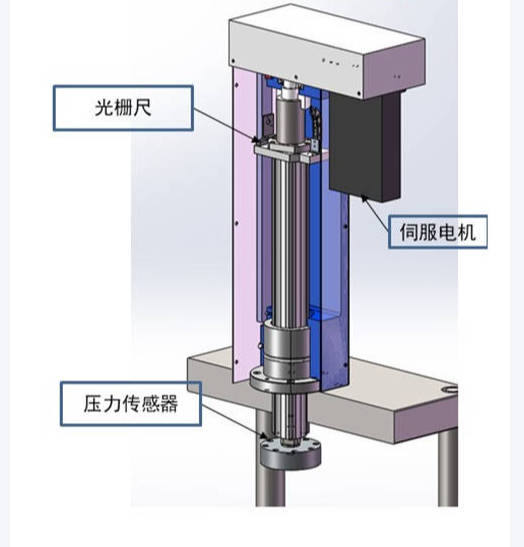
Second, the core components and working principle of intelligent doors and windows
A complete set of intelligent doors and windows system is divided into five parts: door and window body structure, power execution components, perception sensors, communication Control Unit, and power supply system. The parameters and quality of each component directly determine the stability and service life of the entire system.
The first part is the door and window body. System broken bridge aluminum profiles are preferred. The profile cavity needs to reserve the installation position of the motor and line. The profile wall thickness, group angle strength, and sealing strip configuration must be adapted to the electric opening and closing force, and ordinary home improvement thin profiles cannot be used. Glass is generally made of hollow tempered, laminated hollow Low-E glass to meet the energy saving index of sound insulation and heat insulation.
The second part is the executive drive, that is, the electric window opener and the electric swing door opener. Common types include chain window openers, push rod window openers, screw window openers, and synchronous motors, which are adapted to different weight window sashes with different thrust forces. Chain window openers are commonly used for light-duty upper hanging windows; screw window openers are used for heavy-duty skylights, large-size casement windows, and smoke exhaust windows, which have greater thrust and stronger load resistance.
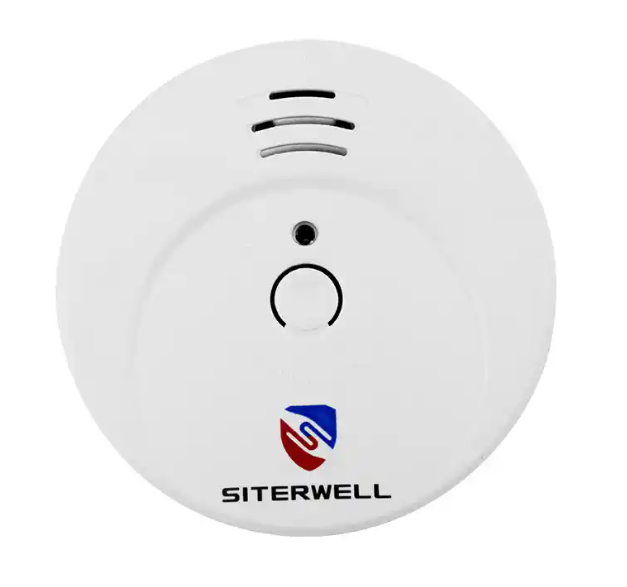
The third part is the environmental sensor, including wind and rain sensors, temperature and humidity sensors, smoke sensors, gas leakage sensors, and human body induction sensors. Wind and rain sensors are the most commonly used accessories in household use and automatically close windows when rain is detected; smoke and gas sensors are mostly used in fire linkage scenarios.
The fourth part is the communication control module. The mainstream communication methods are divided into wired RS485, KNX bus, wireless WiFi, Bluetooth, Zigbee, and MQTT protocols. The wired bus is stable and is mostly used for tooling and building projects; the wireless solution is simple to install, suitable for home improvement villas, and can be connected to smart home platforms such as Mijia and Huawei Hongmeng.
The fifth part is the power supply system, divided into 220V power supply and DC24V low-voltage power supply, home improvement priority DC24V safety low-voltage scheme to avoid the hidden danger of leakage in humid environment, and with a backup lithium battery, it can still complete an opening and closing operation in the power-off state to deal with sudden rainfall and fire signals.
The whole set of working logic: the sensor collects environmental signals or the user issues instructions, the controller receives the signal, drives the motor to run, drives the window sash to open or close, and feeds back the status to the central control and mobile APP to achieve closed-loop control.
Comparison of different types of electric window openers, chain type, screw type, synchronous push rod models
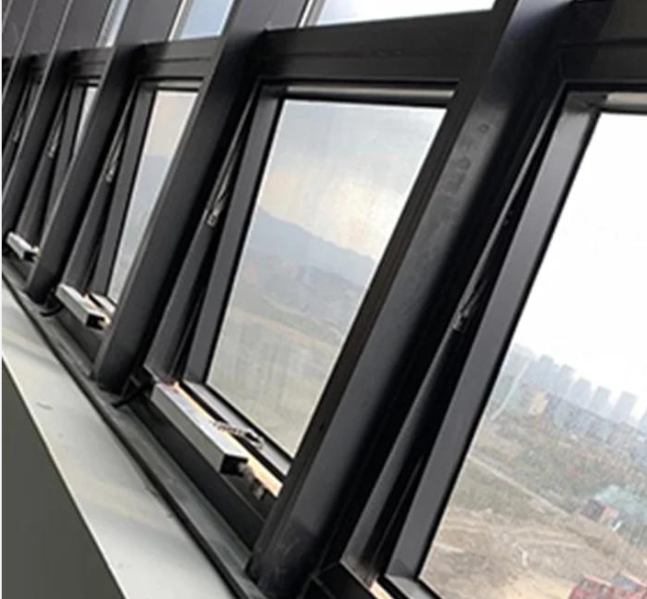
III. Mainstream classification, opening methods, and applicable scenarios of smart doors and windows
According to the opening form, intelligent doors and windows are mainly divided into six categories: intelligent upper hanging windows, intelligent casement windows, intelligent sliding windows, intelligent casement doors, intelligent skylights, and intelligent smoke exhaust windows. The differences in motor selection, thrust parameters, and cost of different categories are obvious, and the selection cannot be generalized.
Intelligent upper hanging window: It is also the most used style in home decoration. It is divided into inner opening and upper hanging, outer opening and upper hanging. The opening range is controllable, suitable for high-rise residential buildings. The opening gap is small, and the safety is high. With wind and rain sensing, it is suitable for daily ventilation.
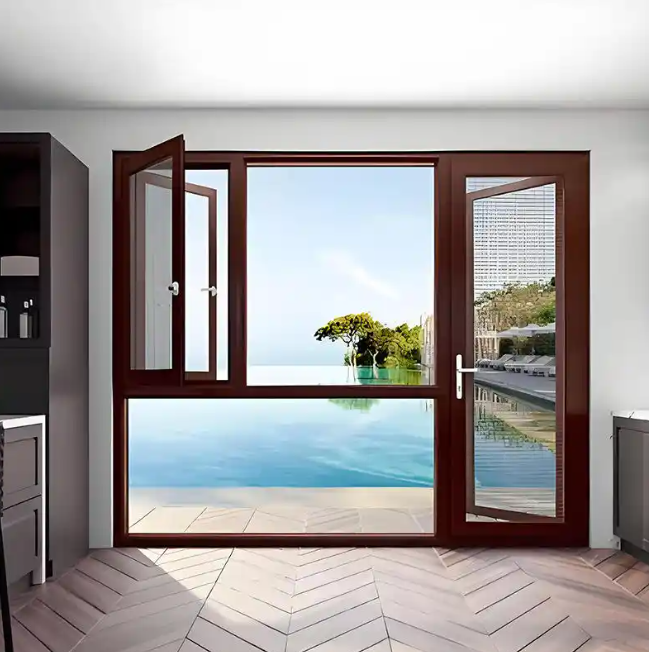
Intelligent casement window: the window sash has a large opening range and a large amount of ventilation, which is suitable for large-sided wide windows and villa floor-to-ceiling windows. Synchronous dual motors need to be selected to ensure the simultaneous operation of both sides and avoid the distortion of the window sash.
Intelligent sliding window: The motor is hidden inside the track, with low running noise, suitable for large-area sliding windows on balconies, but the airtightness of the sliding structure is weaker than that of casement windows;
Intelligent swing door: mostly used for courtyard doors, balcony doors, shop doors, with access control, facial recognition, fingerprint unlocking linkage;
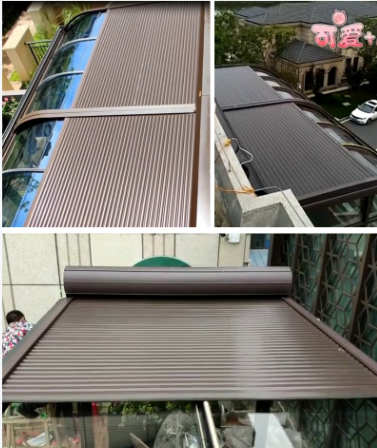
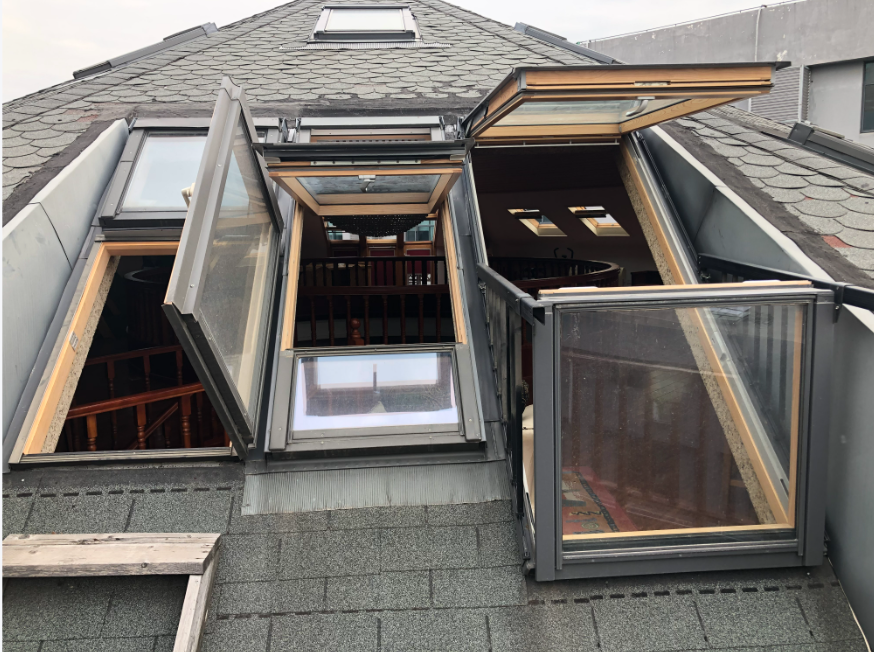
Smart skylights (sloping roof skylights, flat-top sunroom skylights): The window sash has a large self-weight, and a high-thrust screw window opener is preferred. Many of them also take into account the dual needs of lighting, ventilation, fire protection and smoke exhaust;
Intelligent fire smoke exhaust intelligent window: belongs to the mandatory fire protection products, need to meet the GB50016 building fire protection code, receive the fire host signal, the fire alarm automatically opens the smoke exhaust, the product needs to have the fire test report, tooling project acceptance hard requirements.
According to the control logic, it can be divided into household comfort smart doors and windows and fire-linked smart doors and windows. The two standards are completely different. Fire protection models have mandatory detection requirements and cannot be replaced by household ordinary electric window openers. This is a high-frequency crater point for project procurement.
Wind and rain sensor, gas smoke sensor installation real shot, outdoor waterproof probe
IV. Detailed explanation of the core functions of smart doors and windows, comfort functions, and security and fire protection functions
The functions of smart doors and windows can be divided into three major sections: comfort experience function, security early warning function, and fire linkage function. Customers can choose modules on demand.
Comfort functions: mobile APP remotely switch windows on and off, check window status at any time when you go out on business trips, and remotely open and close; regular ventilation, set automatic window opening and ventilation in the morning and evening; wind and rain automatically close windows, rain and strong wind trigger sensors to automatically close windows to avoid rain wetting the room; gear adjustable, window opening controllable, micro-ventilation, half-open, full-open multi-gear adjustment to avoid excessive air volume.
Security early warning function: window sash status feedback, APP real-time online view of switch status; window opening limit anti-pinch, motor built-in resistance rebound protection, automatic stop rebound when encountering obstacles during operation to prevent pinching personnel; with door and window magnetism, human body induction, window opening linkage camera capture, push alarm messages, suitable for unattended villas; some styles are equipped with anti-theft lock points, electric lock, lock point linkage, multi-point lock lock after closing, anti-theft performance is better than ordinary doors and windows.
Fire linkage function (mainly tooling): Connect to the fire control host, receive the fire alarm signal to open the window first to exhaust smoke; power failure emergency opening, backup power supply to ensure the normal operation of the fire power failure state; fire protection function is the highest priority command, will block ventilation, wind and rain and other ordinary signals.
Here is a key point to note: household intelligent ventilation doors and windows are not equal to fire smoke exhaust windows. Many businesses confuse the concept. Ordinary electric windows do not have fire certification and cannot pass the fire inspection. When purchasing tooling smoke exhaust windows, fire protection 3C and test reports must be verified.
Smart doors and windows central control debugging site, docking with smart home gateway debugging
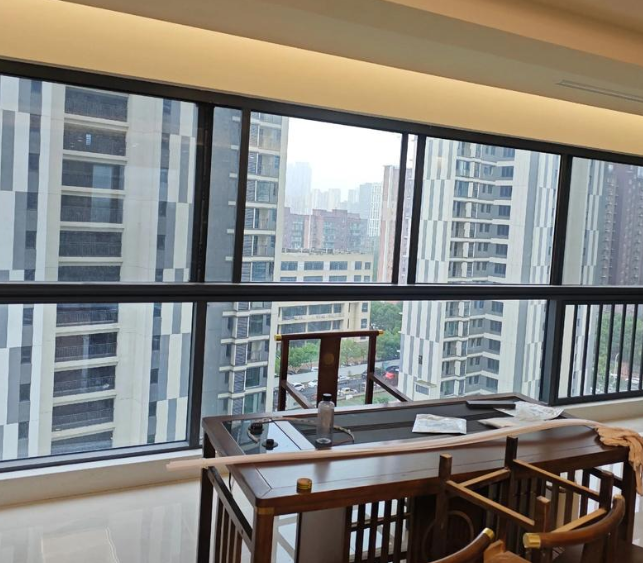
Performance indicators, waterproof protection level and industry standards of smart doors and windows
Smart doors and windows at the same time to meet the national standard and mechanical and electrical product standards, many businesses only promote intelligent functions, ignore the basic performance of doors and windows, the later emergence of water leakage, poor sound insulation, airtightness problems.
The door and window body implements GB/T 7106, GB/T 7107, and GB/T 7108, that is, the air tightness, water tightness, wind pressure resistance, sound insulation, and thermal insulation performance grades. The high-end system intelligent door and window air tightness grades generally reach level 6 and water tightness level 5 or above, suitable for rainy and typhoon areas.
Protection level of outdoor components of motors and sensors: window openers and wind and rain sensors installed outdoors require a minimum protection level of IP54. It is recommended to choose IP65 waterproof and dustproof motors for long-term open-air sun rooms and roof skylights to prevent rainwater and water vapor from entering the motor and causing short-circuit burning.
The thrust parameter is the core indicator of the selection: the thrust selection of the window opener needs to calculate the weight of the window sash and the wind load, the conventional upper hanging window, the weight of a single fan is ≤30kg, and the 200N thrust is selected; the heavy-duty sunroof and large casement window require 600N, 1000N or even more thrust; if the thrust is small, it will not be able to push, frequent errors, and the motor will burn out. At the same time, it is necessary to pay attention to the running noise. The noise ≤45dB silent motor is preferred in the home improvement room to avoid noise interference at night.
Power supply and safety protection standards: DC24V low-voltage system is recommended for home improvement, which meets low-voltage safety standards. It must be equipped with three protection mechanisms: resistance protection, overload protection, and overheating protection, which are safety hard indicators.
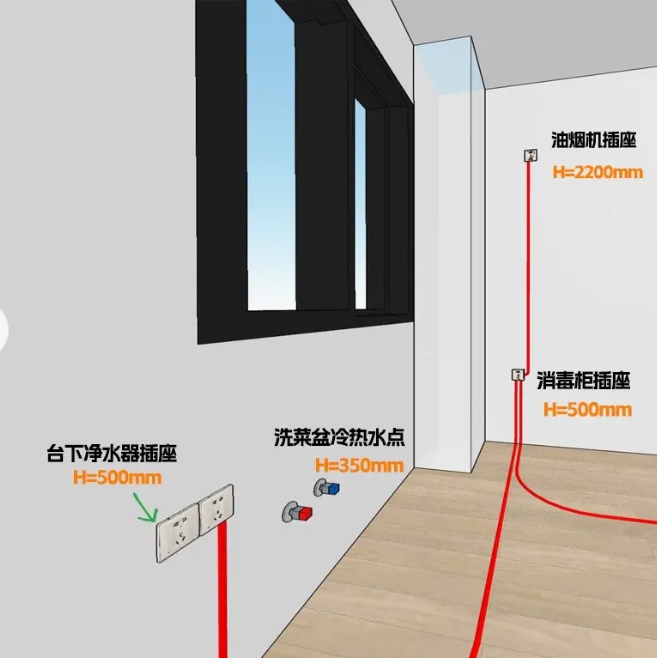
Intelligent door and window wiring construction, hidden wiring renderings, no bright lines can be seen
Six, intelligent doors and windows construction and installation points, wiring scheme and debugging process
Smart doors and windows are mechatronics products, and the installation difficulty is much higher than that of ordinary doors and windows. Wiring, waterproofing, fixing, and debugging errors at every step will cause frequent later failures.
Standard construction process: in-depth design in the early stage, the profile cavity is reserved for wiring grooves, and the location of gateways and transformers is planned in advance; the door and window frames are fixed, glued and waterproof, which is consistent with the waterproof process of ordinary doors and windows, and the external wall is continuously sealed with weathering glue; the wiring is divided into hidden cavity wiring and outdoor piping wiring, priority is given to the internal dark lines of the profiles, which are beautiful and tidy. The outdoor lines are protected by waterproof bellows, and the joints are protected by waterproof terminals. Ordinary tape is prohibited from being wound; the window opener and sensor are fixed, and the screws are reinforced at the force points, which cannot be fixed on the thin rubber strips and decorative surfaces; the power supply and gateway wiring are connected to the power supply; the single fan is debugged separately to test the opening and closing, and the rebound in case of resistance; the linkage Practice running for 72 hours, troubleshooting card, water leakage, signal disconnection problems, delivery and use, to demonstrate the operation method to customers.
Common construction mistakes: the window opener was installed later, no cavity was reserved, and the bright line was pulled randomly, destroying the original waterproof structure; the sensor installation position was wrong, the wind and rain sensor was installed in the eaves, and the rain could not be sensed; the thrust selection was too small; without a backup power supply, it could not be operated at all after a power outage. The fixed point of the window opener for high-rise external windows must be checked by force to prevent repeated force falling off for a long time.
The faulty smart doors and windows are actually shot, the motor is flooded, the line is aging, and the card is damaged.
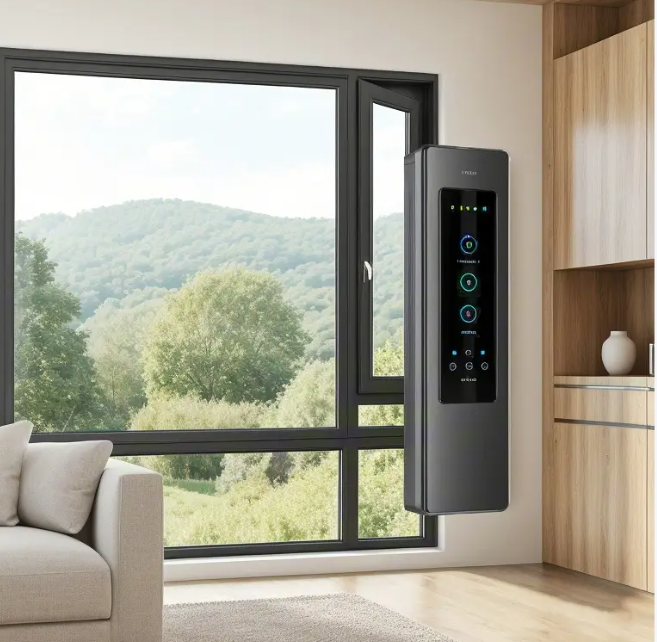
Seven, smart doors and windows common failures, causes and daily maintenance methods
Many users have reported that smart doors and windows fail, become stuck, and do not move after a period of time. Most of the failures are concentrated in four aspects: waterproofing, power supply, signal, and mechanical latency.
Fault 1: If the window is not automatically closed when it rains, the probability is that the wind and rain sensor is blocked by dust and fallen leaves, the probe accumulates dust, and the induction fails. The probe needs to be cleaned regularly; it may also be that the signal is disconnected or the power supply transformer fails.
Fault 2: The window sash is stuck halfway through, and an error is reported. Most of them accumulate dust and sediment at the track and hinge positions, and the resistance becomes large, triggering overload protection; or the window sash is deformed and the running track is offset. Maintenance method: Regularly clean the hinge and track dust, use a small amount of silicon-based lubricating spray, prohibit oil and butter, and it is easy to stick ash.
Fault 3: The motor does not respond to water ingress, the protection level is insufficient, the waterproof failure of the line joint, and the water vapor enters the motor, which is a serious failure and needs to be replaced.
Fault 4: The APP is offline, the control fails, the wireless signal is weak, the gateway distance is too far, and the home improvement large apartment and thick wall are prone to WiFi signal attenuation. The solution is to add a relay or switch to a wired bus solution.
Daily maintenance suggestions: check the waterproof tape and external wall sealant every six months, and replenish the glue in time if there is a crack; test the backup battery once a year, and test the opening and closing function when the power is cut off; do not forcibly push and pull the running smart window by artificial force, which is easy to damage the transmission gear; before going out for a long time, test in advance whether the wind and rain sensing function is normal.
In addition, in low-temperature areas in winter, low-temperature motors need to be selected. The lubricating oil solidifies at low temperatures, and inferior motors are prone to get stuck in winter.
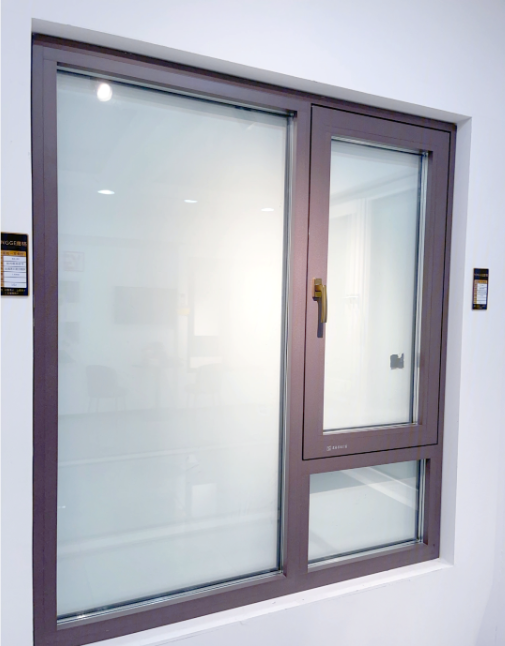
Comparison renderings of smart doors and windows and ordinary broken bridge doors and windows
Eight, smart doors and windows purchase pit avoidance guide, distinguish the different needs of household and tooling
The market for smart door and window products is uneven, and many door and window shops use ordinary broken bridge windows to install cheap window openers to pretend to be system smart doors and windows. The price is low but the stability is poor. When purchasing, focus on checking these points.
First, distinguish the integrated intelligence system doors and windows and the post-installation window opener. The integrated product profile cavity and force structure are designed in advance, and the waterproof wiring is standardized; the post-installation plan destroys the original structure and has a high risk of water leakage, which is only suitable for a small number of renovation projects.
Second, distinguish between household comfort models and fire exhaust models as needed. Fire protection projects must verify 3C certification and fire inspection reports, and should not be replaced by low-cost ordinary electric windows. Acceptance cannot be passed.
Third, don't just look at the price, check the motor protection level, thrust, whether it has rebound in case of resistance, and backup power supply; most low-cost window openers have no overload protection, no waterproof level, and a short lifespan.
Fourth, the choice of communication scheme: villa large apartment, multi-window synchronous control priority bus KNX, RS485, stable and non-disconnected; small apartment small windows choose WiFi wireless solution, which is more cost-effective, and at the same time confirm whether to support your home's existing smart home platform.
Fifth, give priority to manufacturers with the ability to integrate door and window production + intelligent mechatronics debugging, and find door and window stores and mechatronics merchants separately. Later failures are easy to pass the buck to each other, and there is no guarantee after sales.
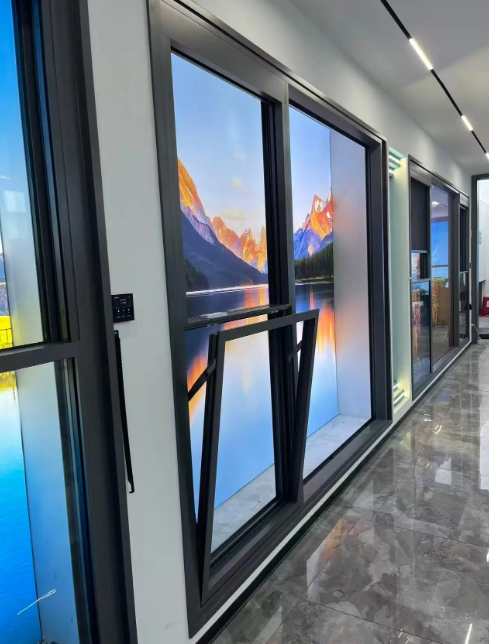
The real scene of the completed villa's smart doors and windows, and the centralized intelligent linkage of multiple windows
Full text summary
Smart doors and windows are the product of the integration and upgrading of the door and window industry and smart home and building automatic control technology. It is not a simple "window that can be switched on and off". It needs to take into account the air tightness, water tightness, sound insulation and other envelope properties of the doors and windows of the broken bridge system, and also ensure the long-term stable and reliable operation of the motor, sensing and control systems.
For home improvement owners, it solves the pain points of high-rise window opening safety, forgetting to close windows and get caught in the rain, and home ventilation management; for commercial, factory, and office projects, intelligent smoke exhaust doors and windows are important facilities to meet fire codes and ensure building safety. However, because it is a mechatronics product, any reduction in design, profile, motor selection, waterproof wiring, installation and debugging will bring water leakage, failure, and safety hazards.
When purchasing, you can't simply pursue low prices. You need to combine the usage scenarios to clarify whether it is a household ventilation comfort type or a tooling fire exhaust type. Verify product qualifications, protection parameters, and protection mechanisms, and choose an integrated source manufacturer for design, production, installation, and debugging. A set of standardized floor-to-ceiling smart doors and windows can be used stably for 8-15 years under the premise of regular basic maintenance. It takes into account the multiple values of living comfort, building energy conservation, and security protection. It is the preferred solution for high-end door and window upgrades.